Bespoke Furniture Design in London: Drawn for the Room, Not Chosen for It
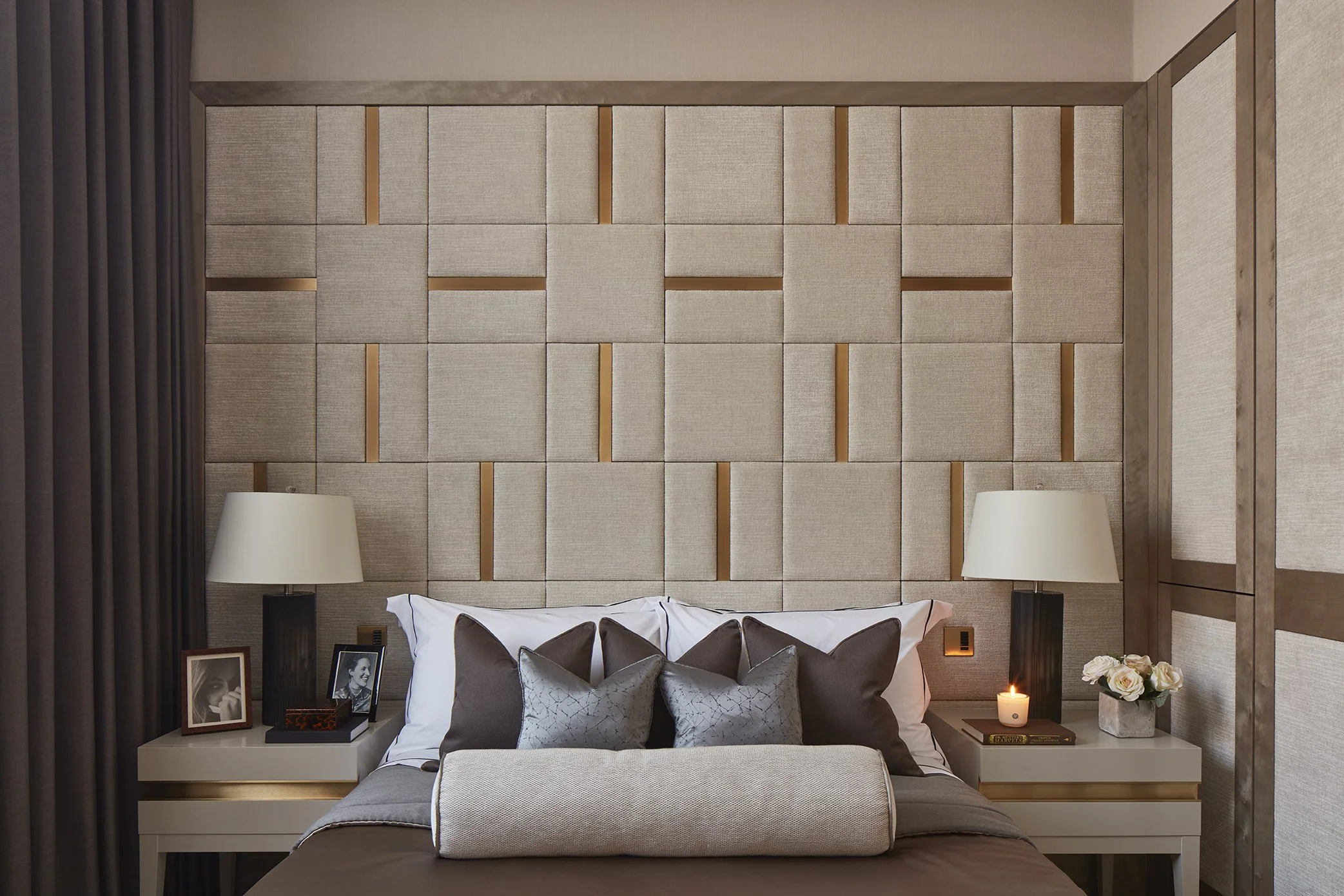
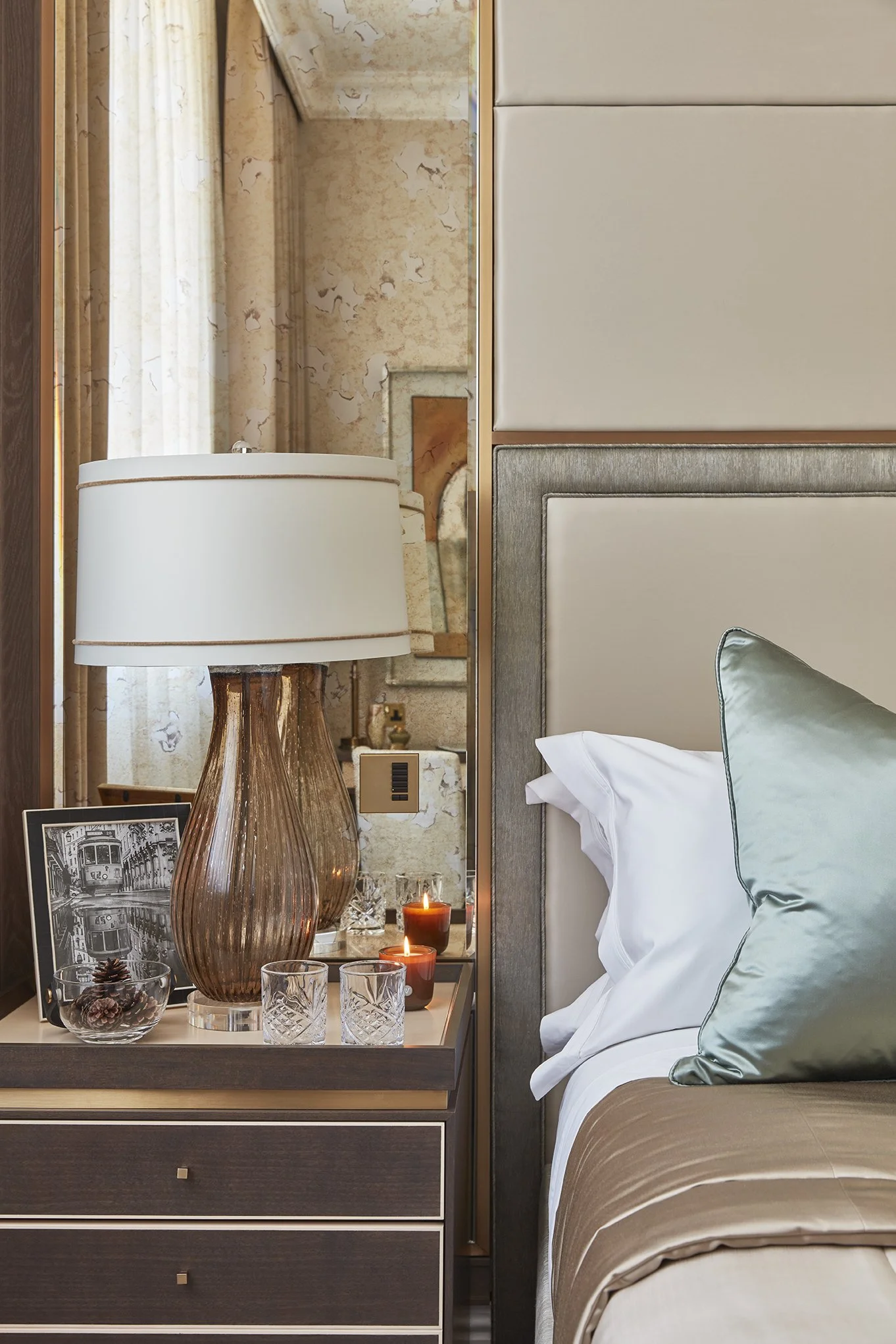
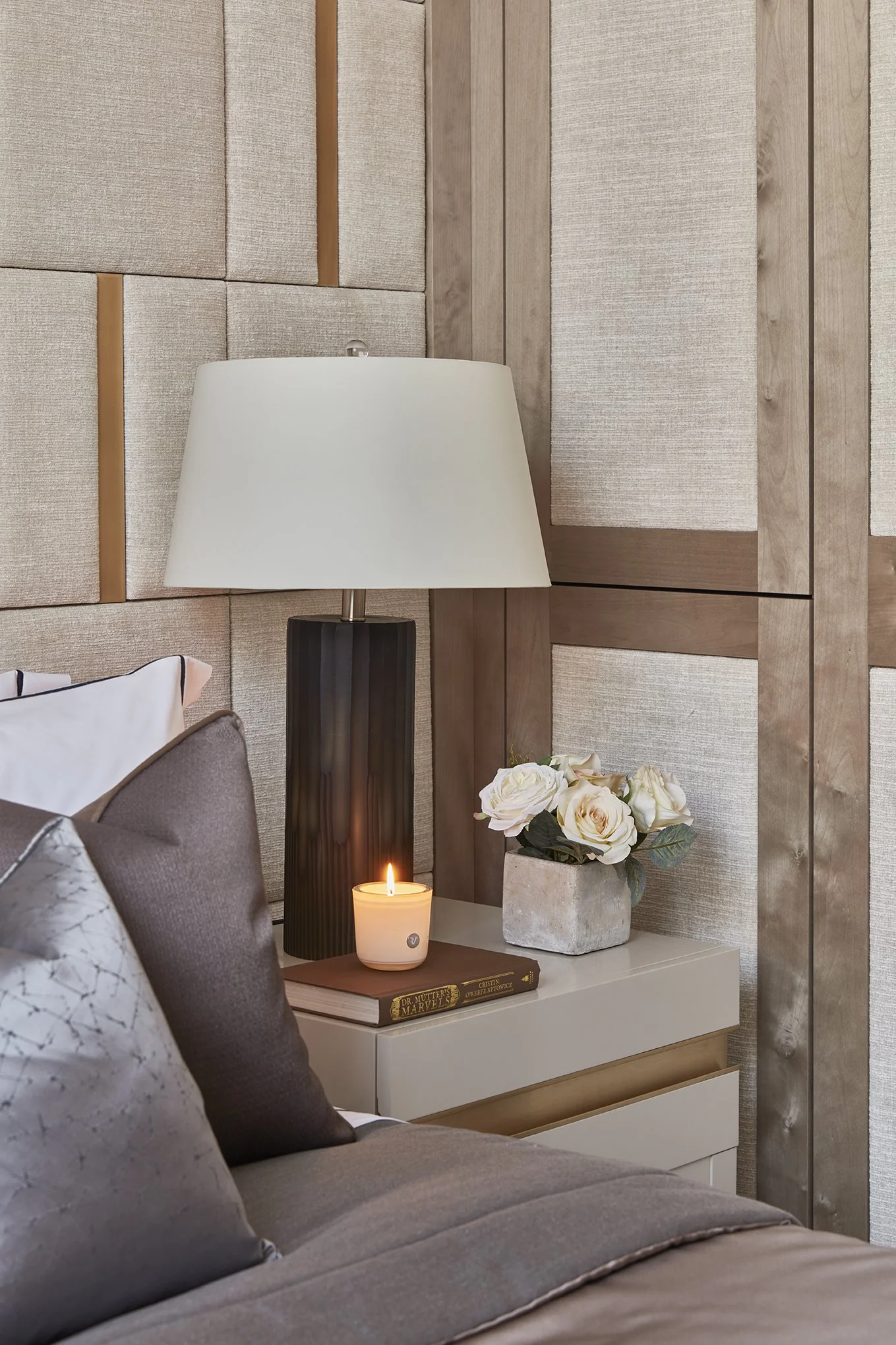
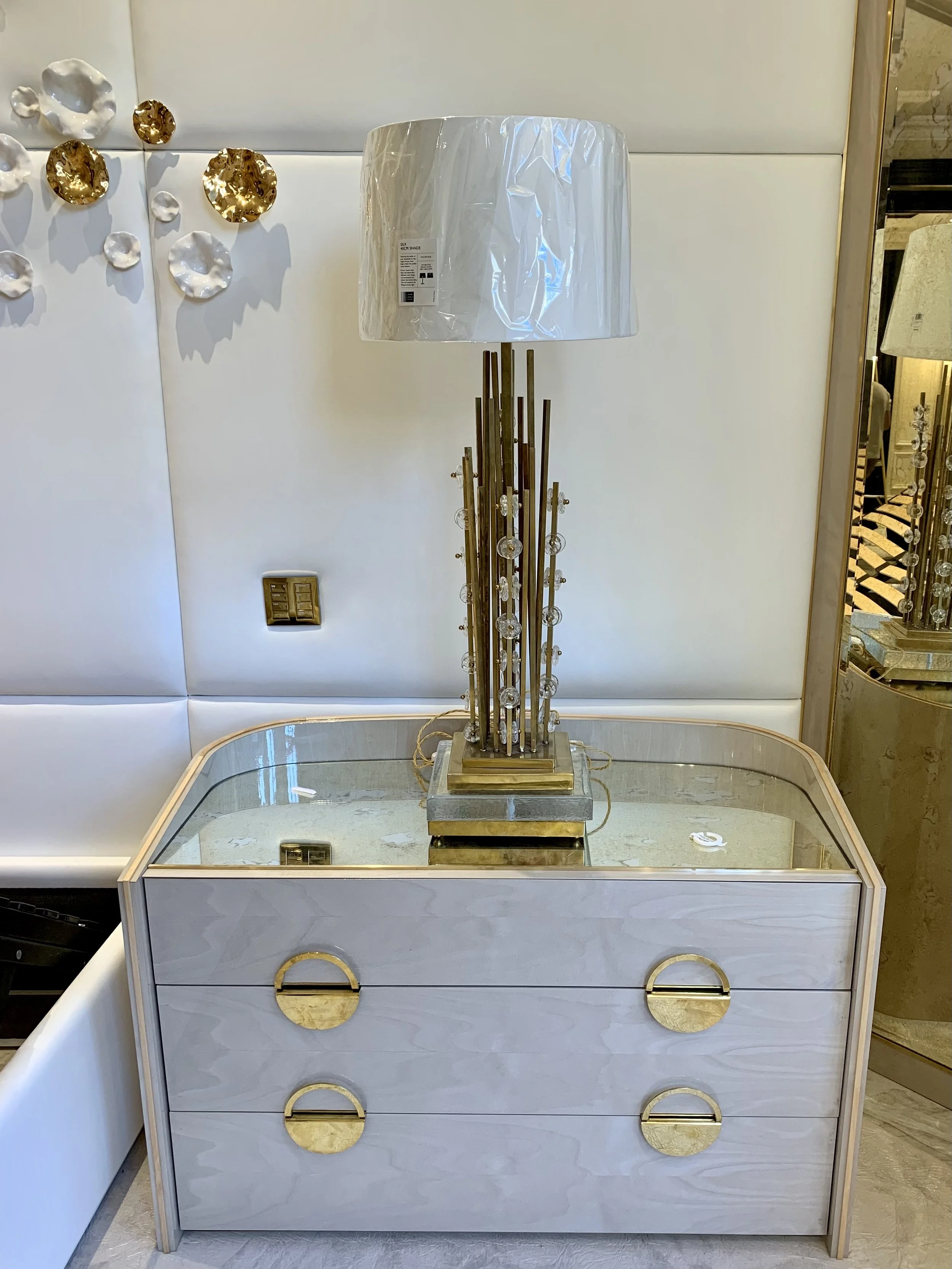
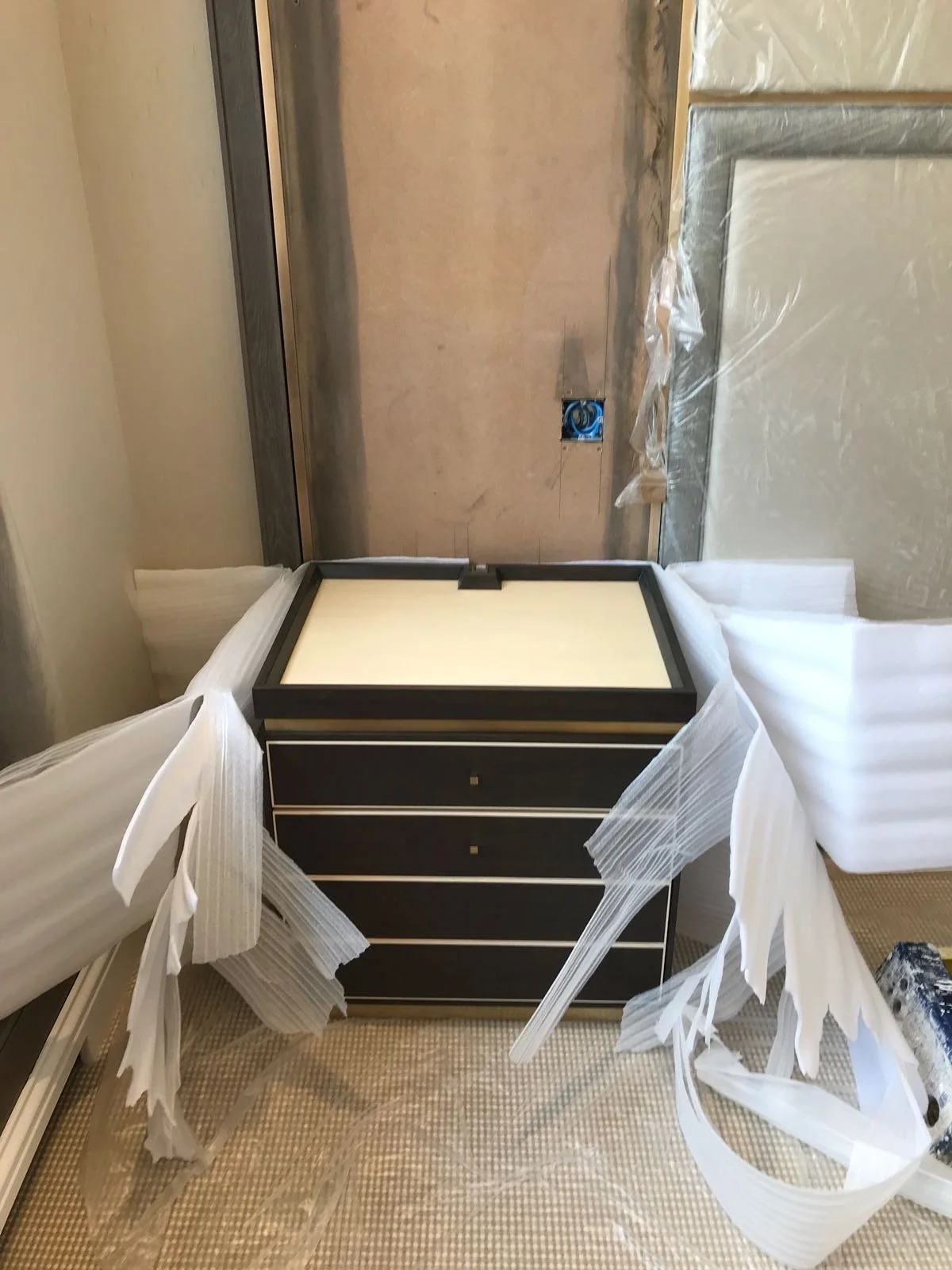
Bespoke bedside tables, headboard, joinery, scatter cushions, bed cover and curtains.
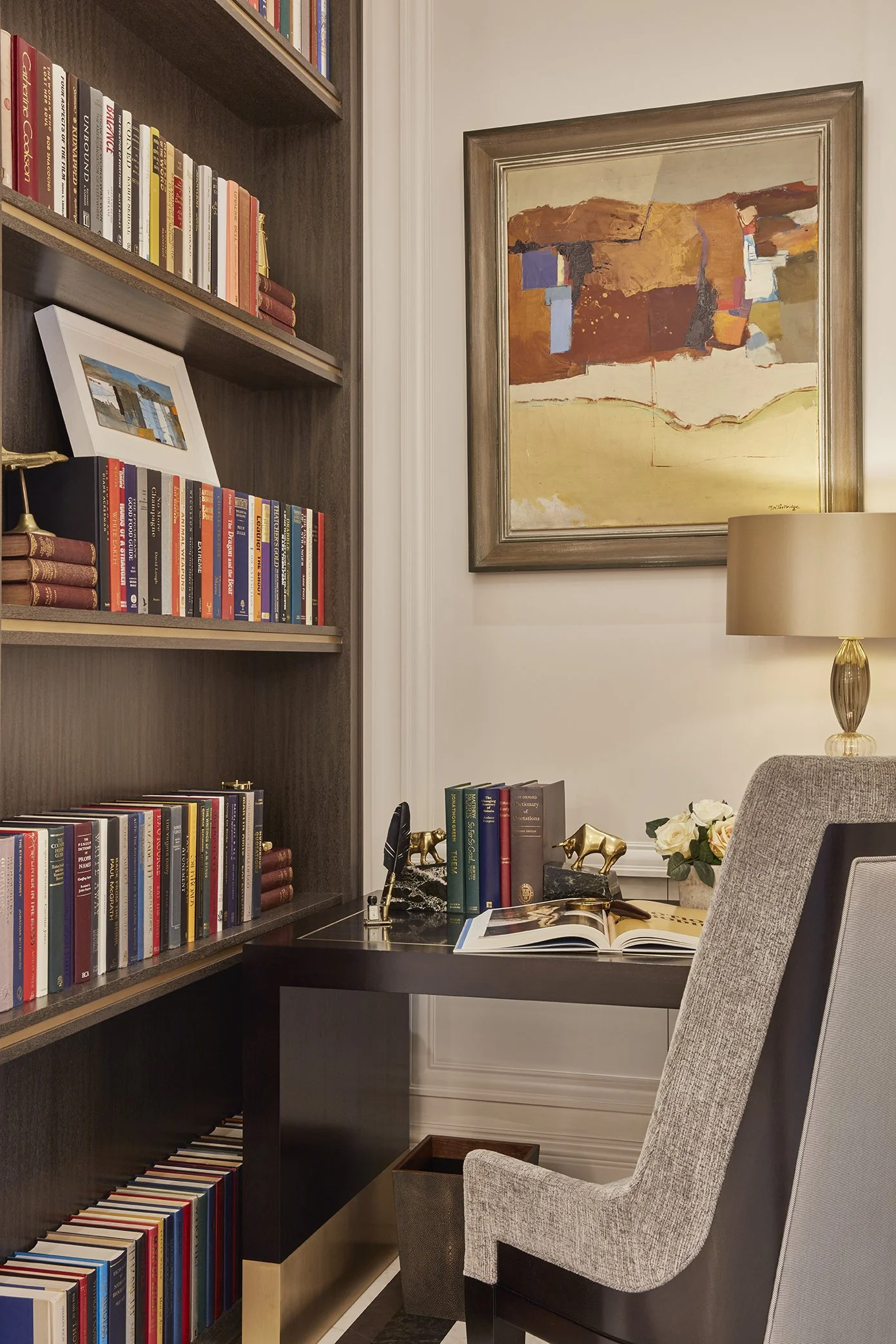
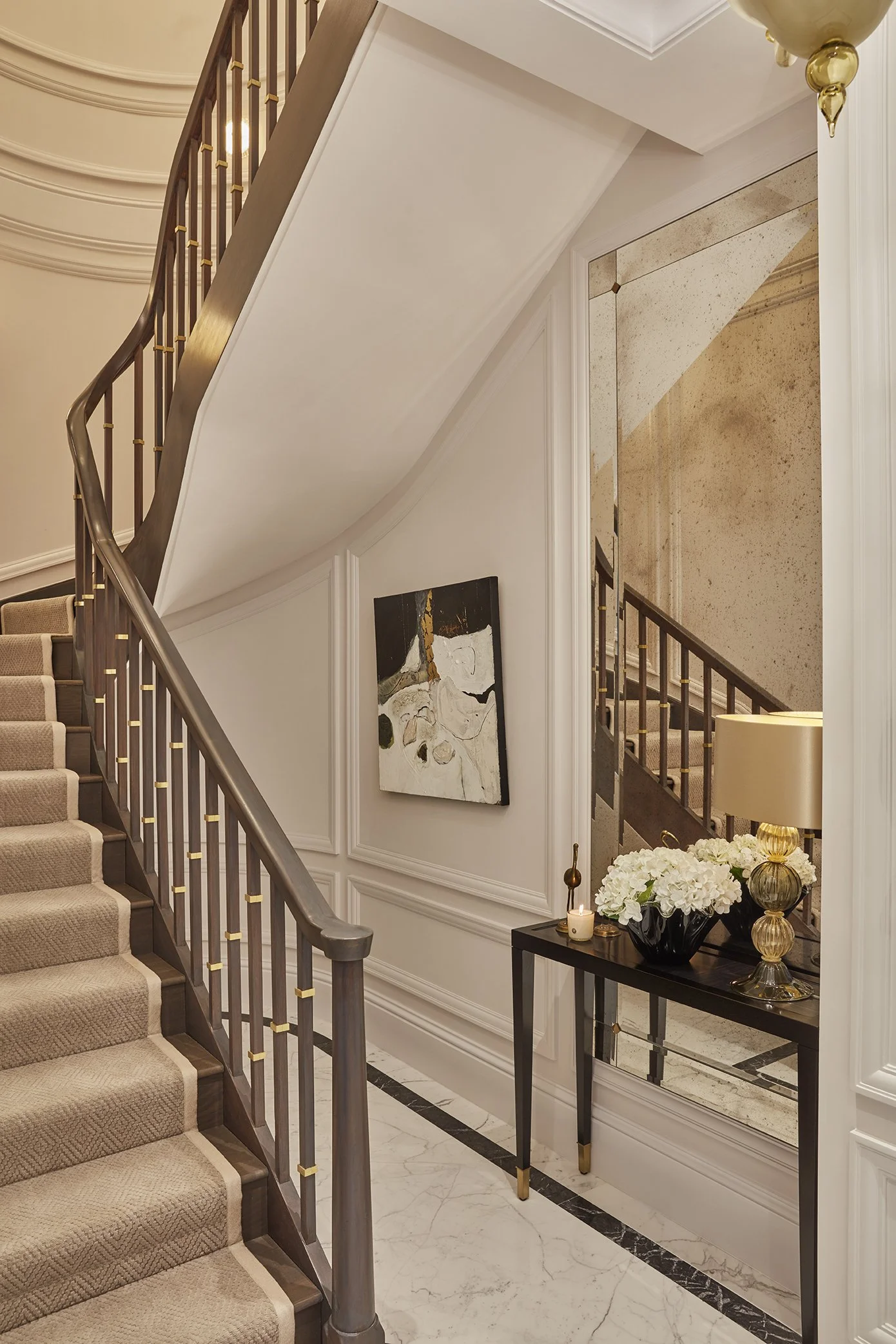
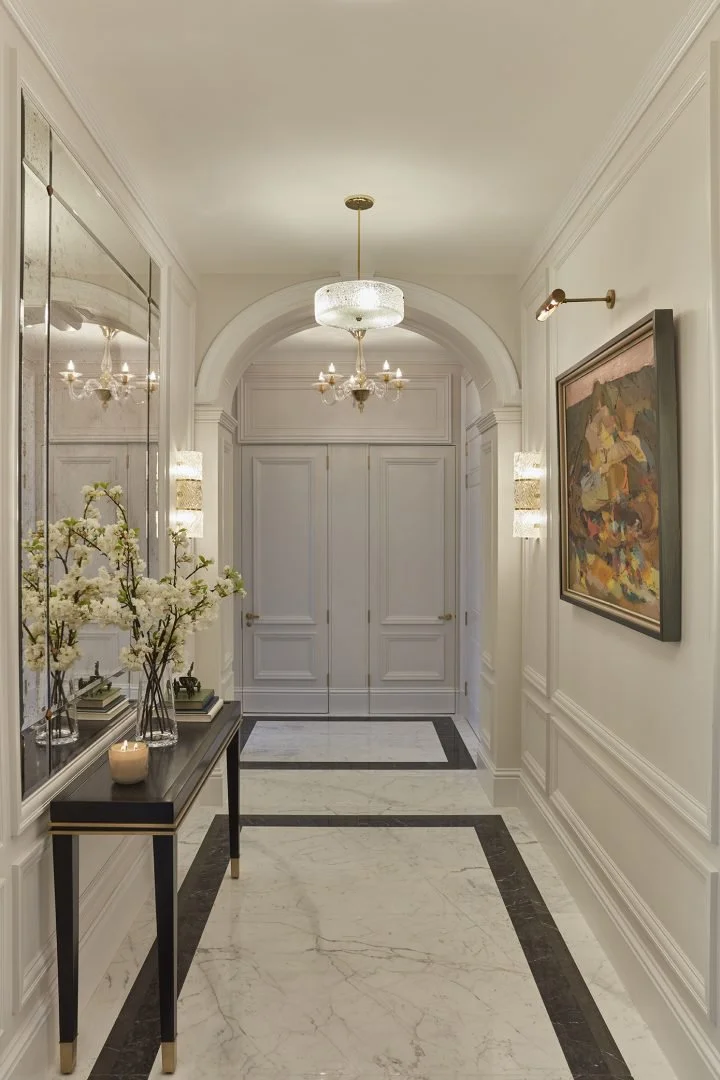
At 1 Carlos Place in Mayfair — a Grade II listed duplex, Queen Anne Revival, 1885 — every element in the apartment was designed and made bespoke. Joinery, furniture, curtains, bed covers and pillows. The single exception was the lighting, which came from a curated vintage selection on 1stDibs because nothing we could have drawn would have improved on it.
That is not a boast about budget. It is a description of what the building required. Listed rooms are rarely square, almost never standard, and the pieces that make them work usually do not exist yet.
What "bespoke" actually means
The word has been stretched until it means very little, so here is how we use it.
Designed from scratch. The piece is drawn by us for one position in one room: dimensions, proportion, materials, hardware, finish. It has never existed before and will not exist again. At Carlos Place, that included a full-height fabric headboard panel in ivory bouclé with antique brass inlay detailing, and a dressing mirror with a fumed oak frame drawn to the wall it sits on.
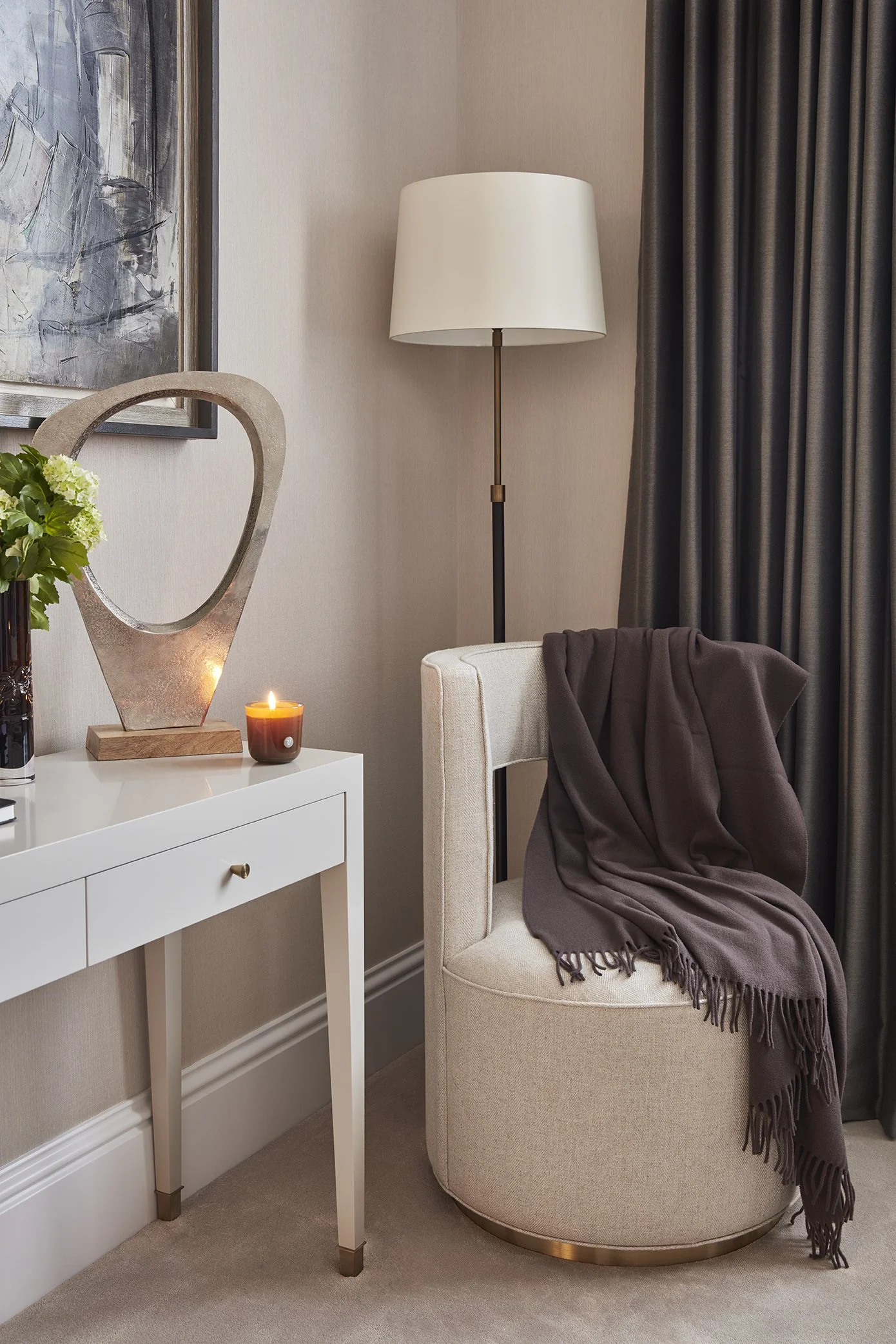
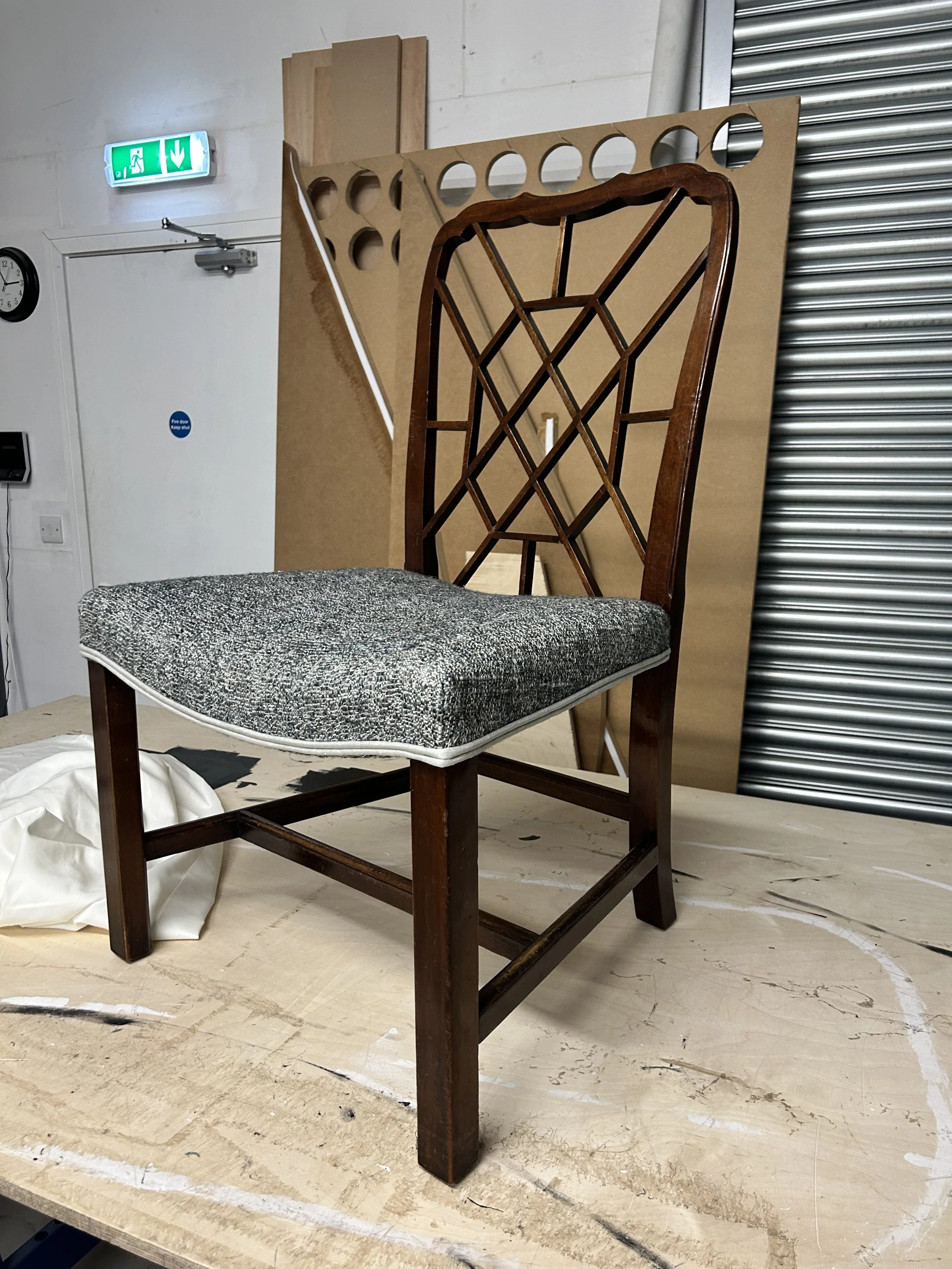
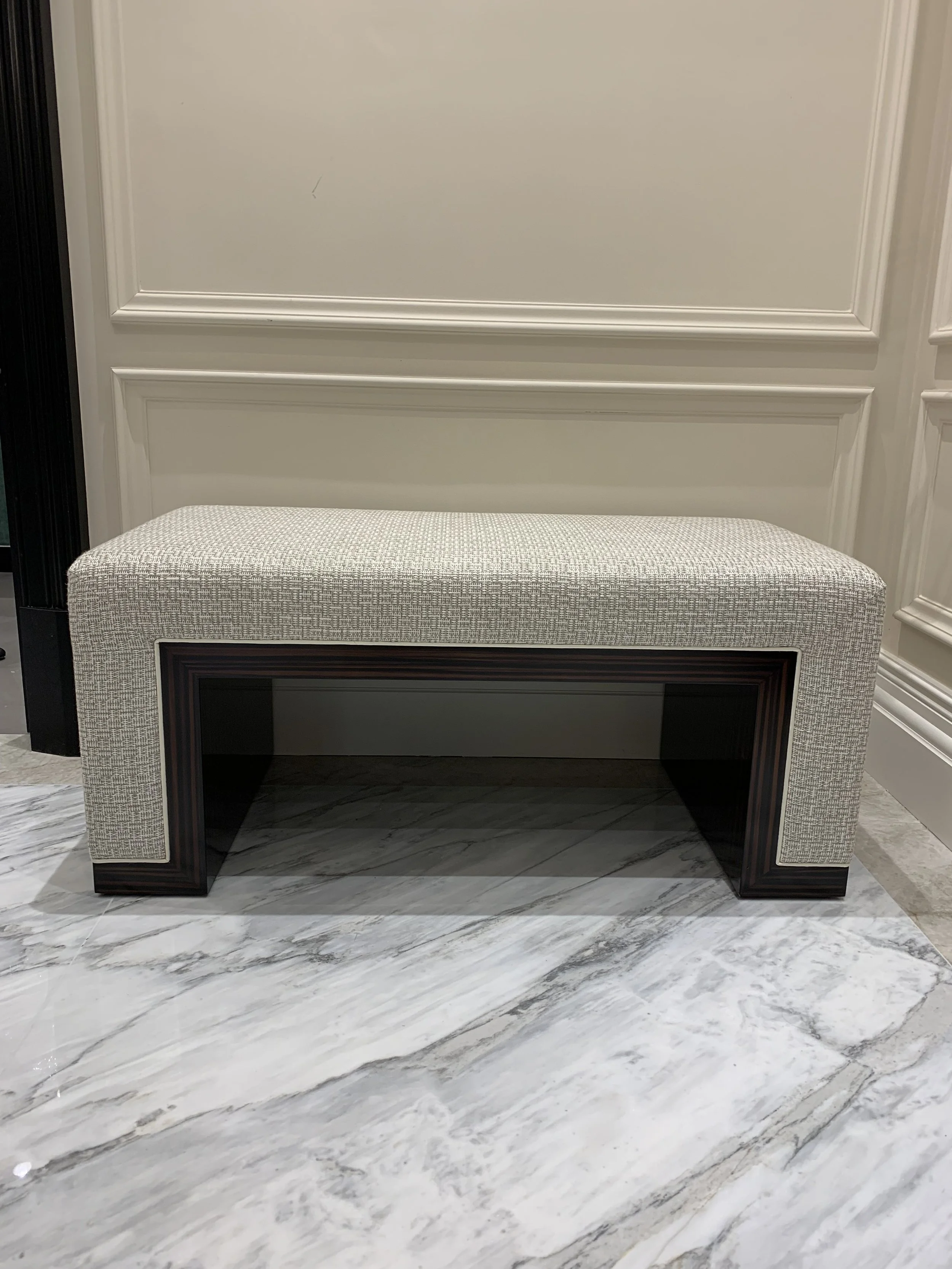
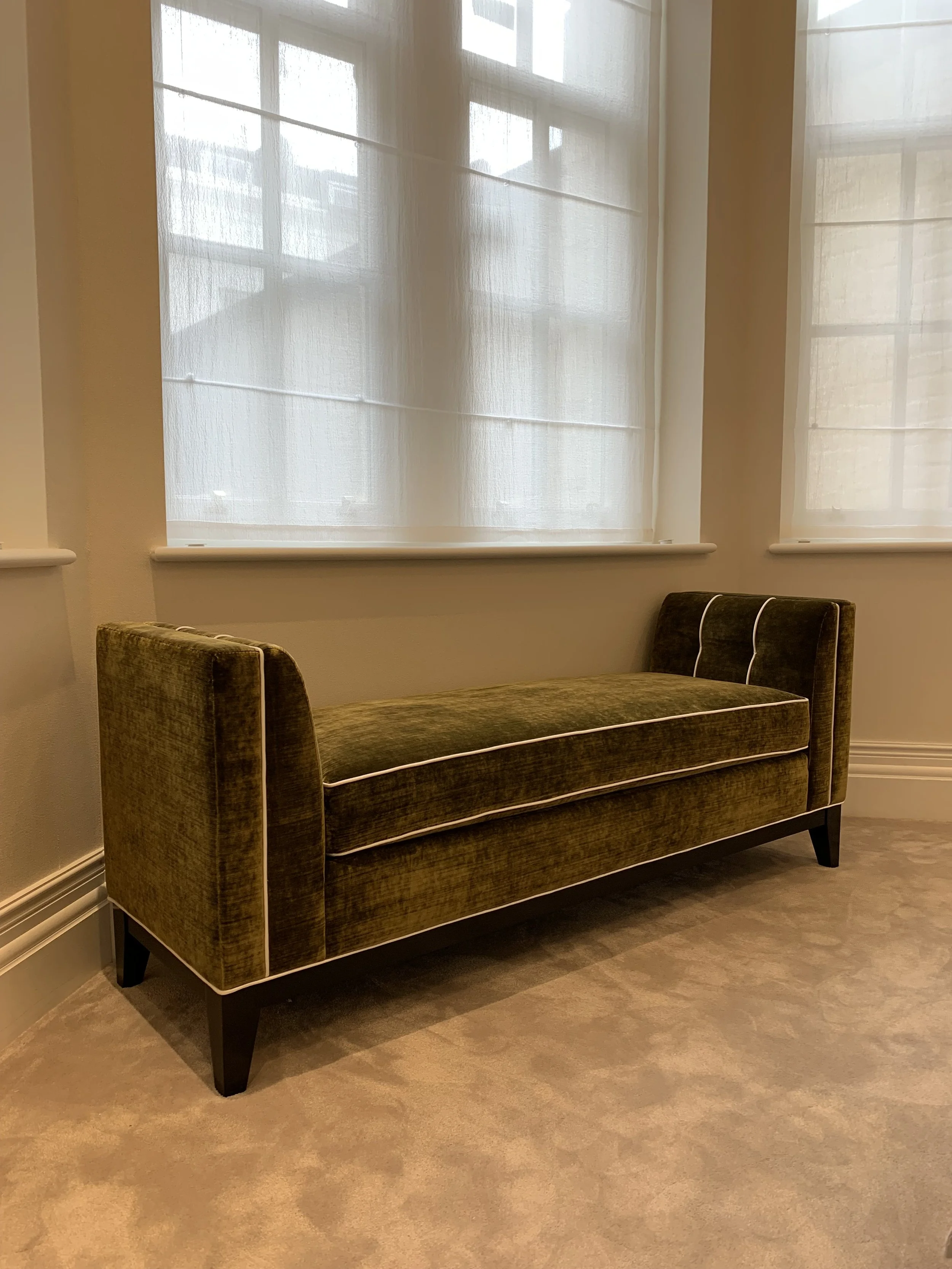
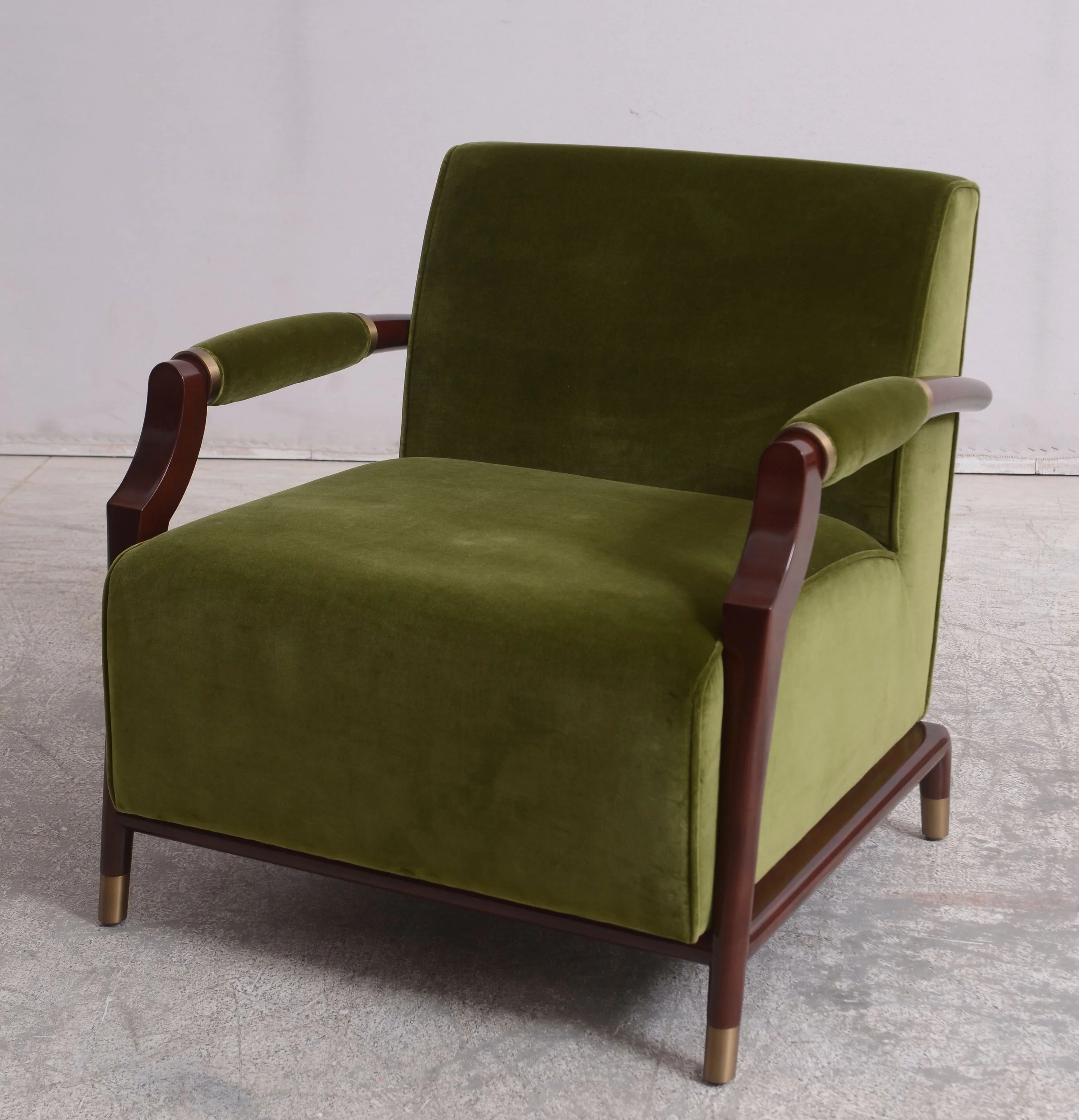
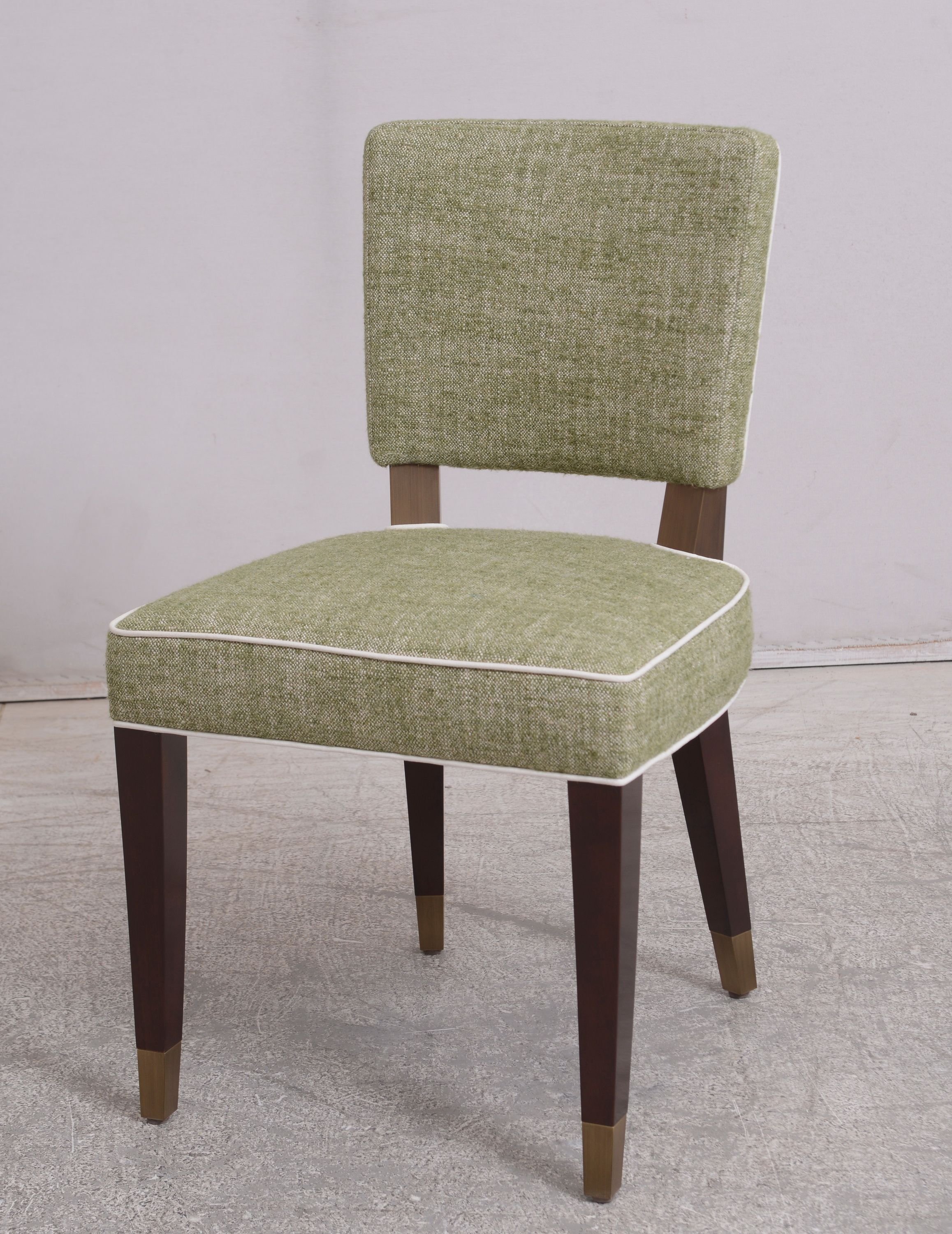
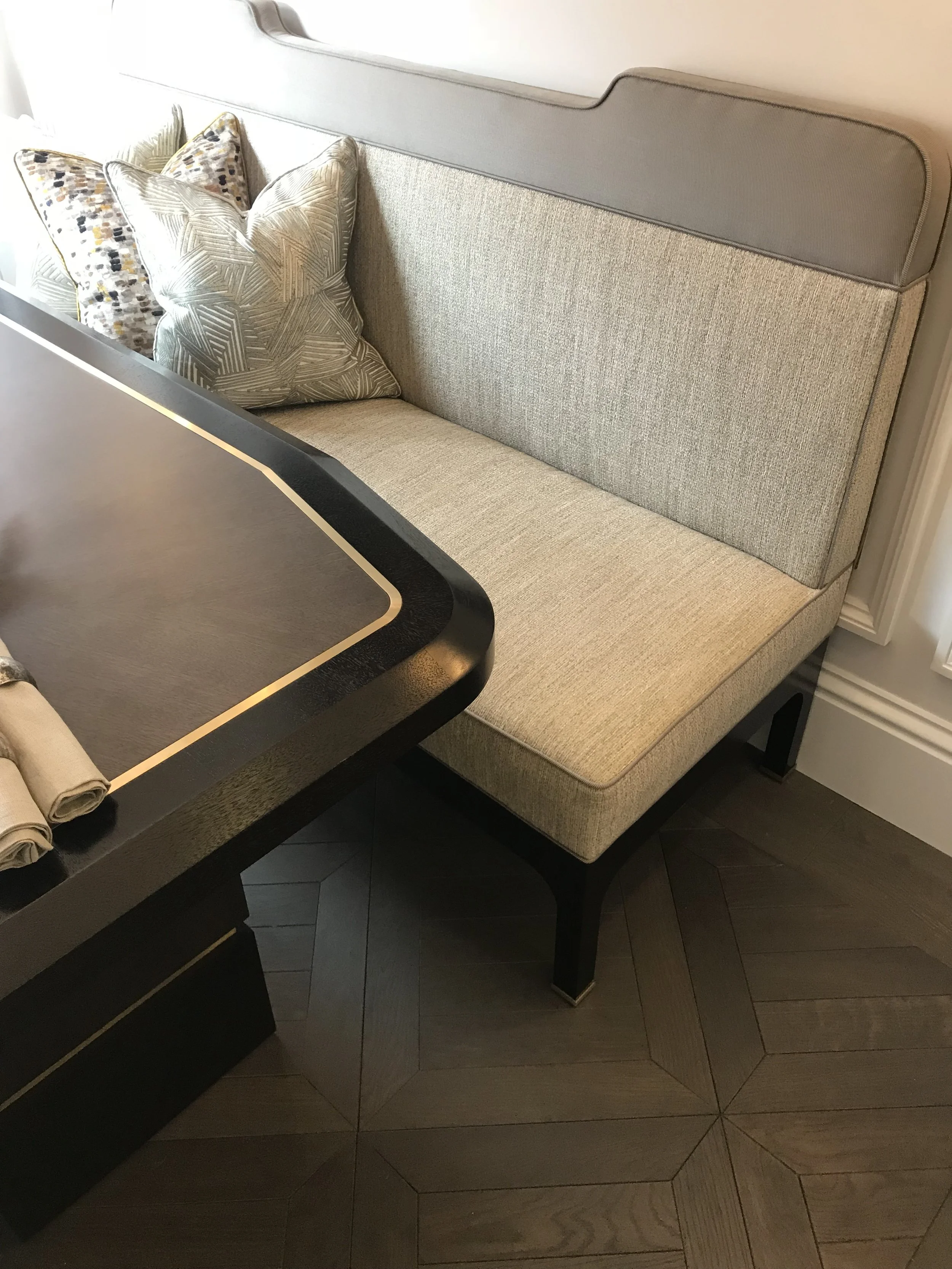
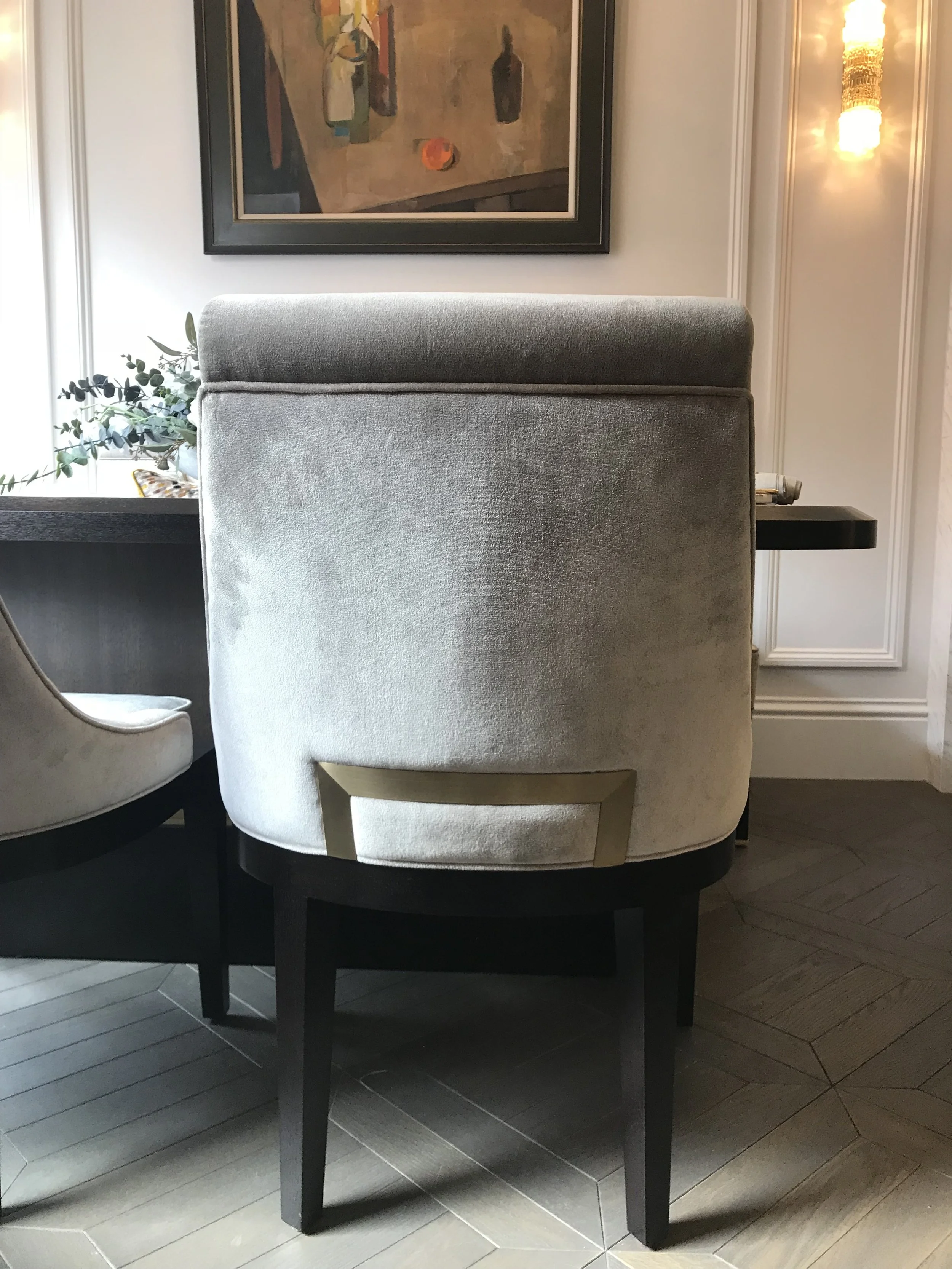
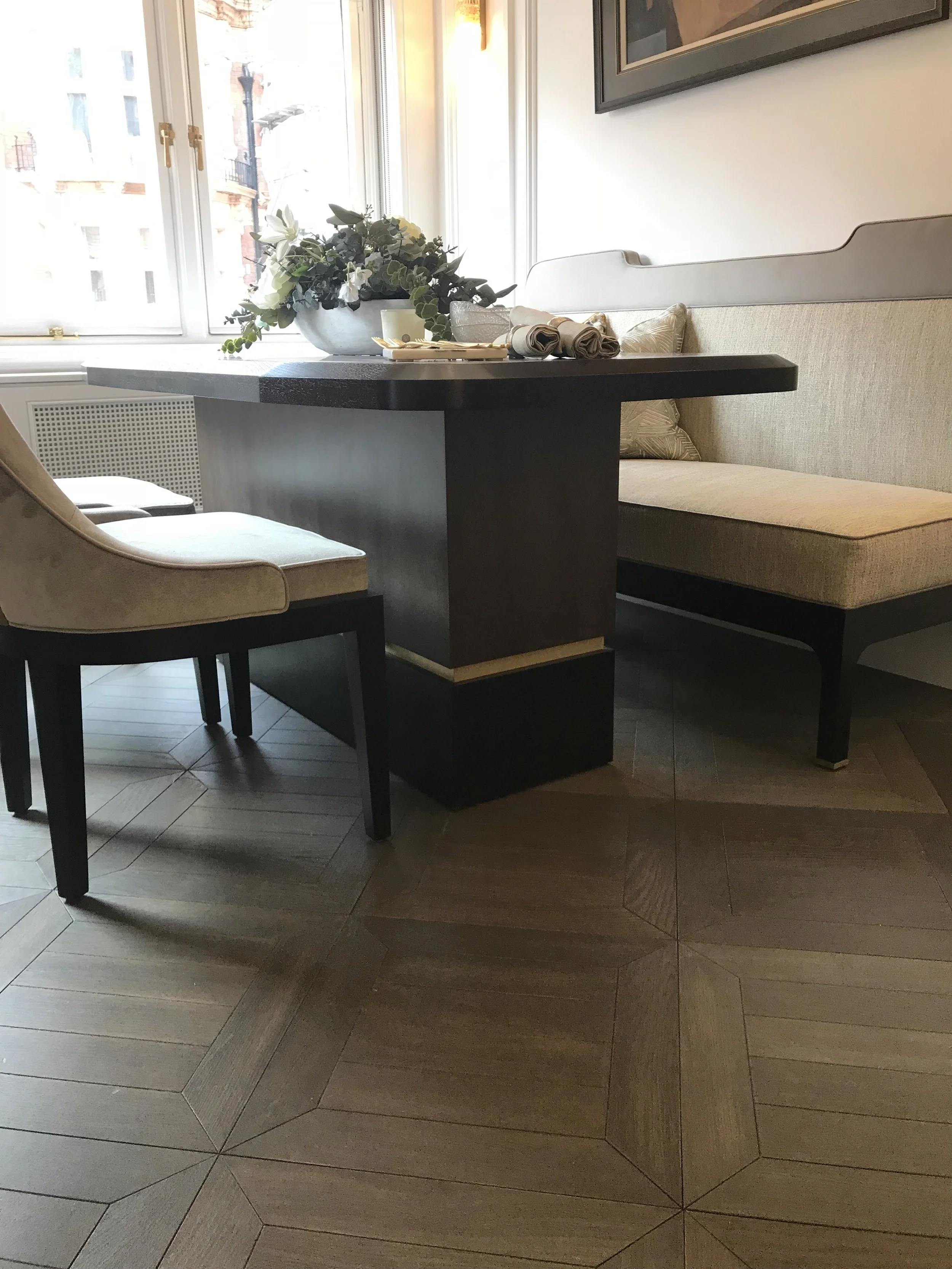
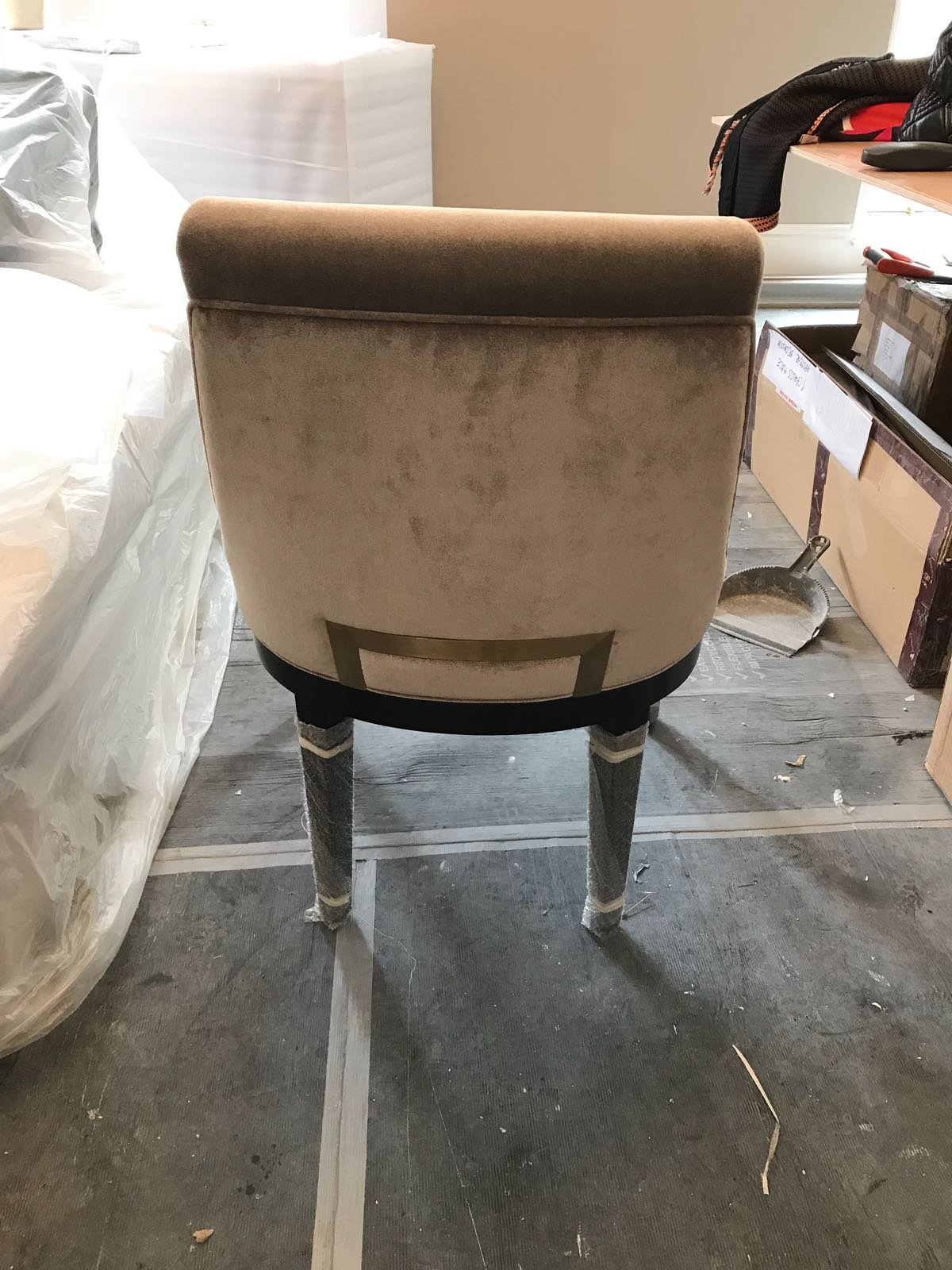
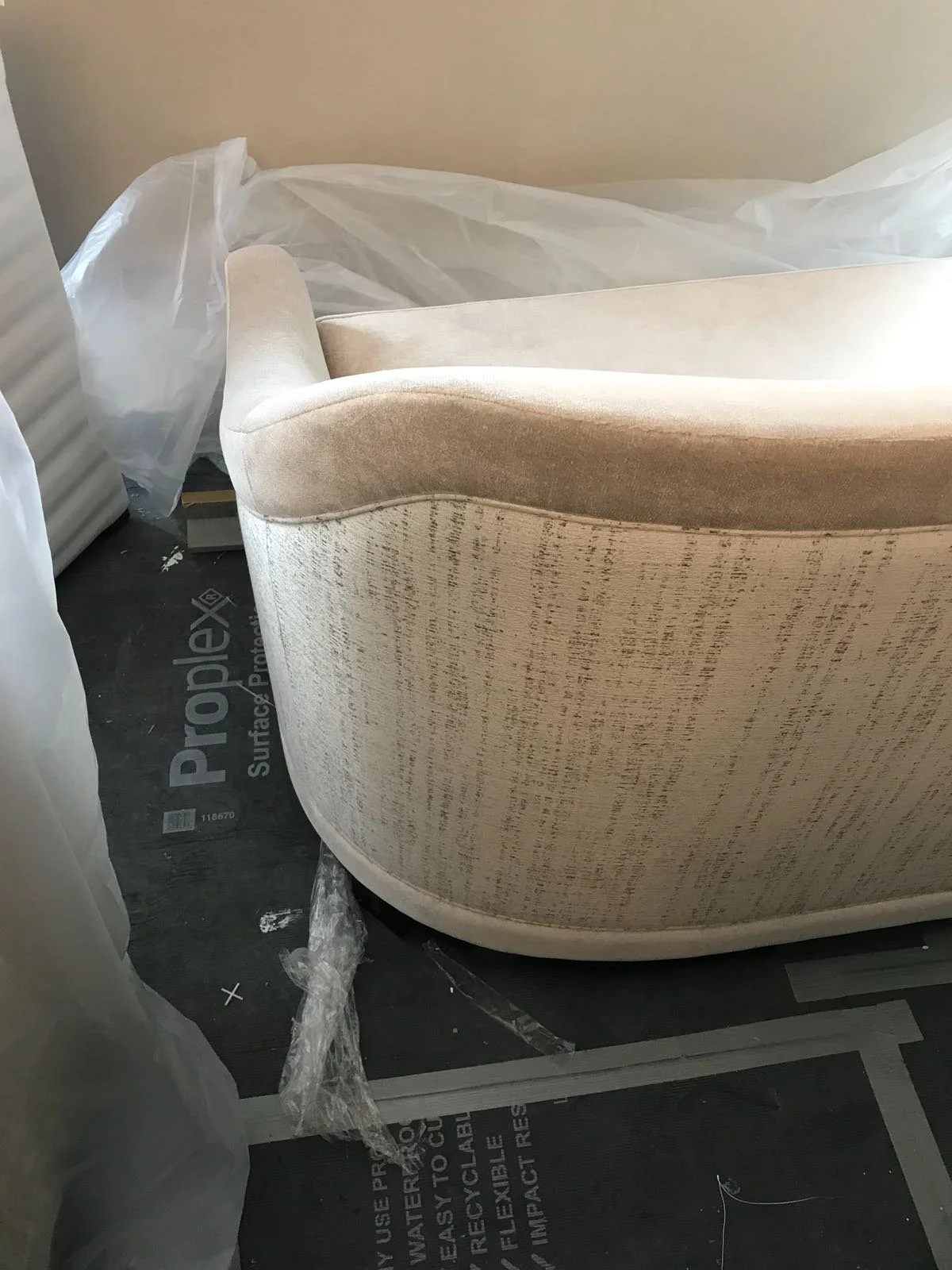
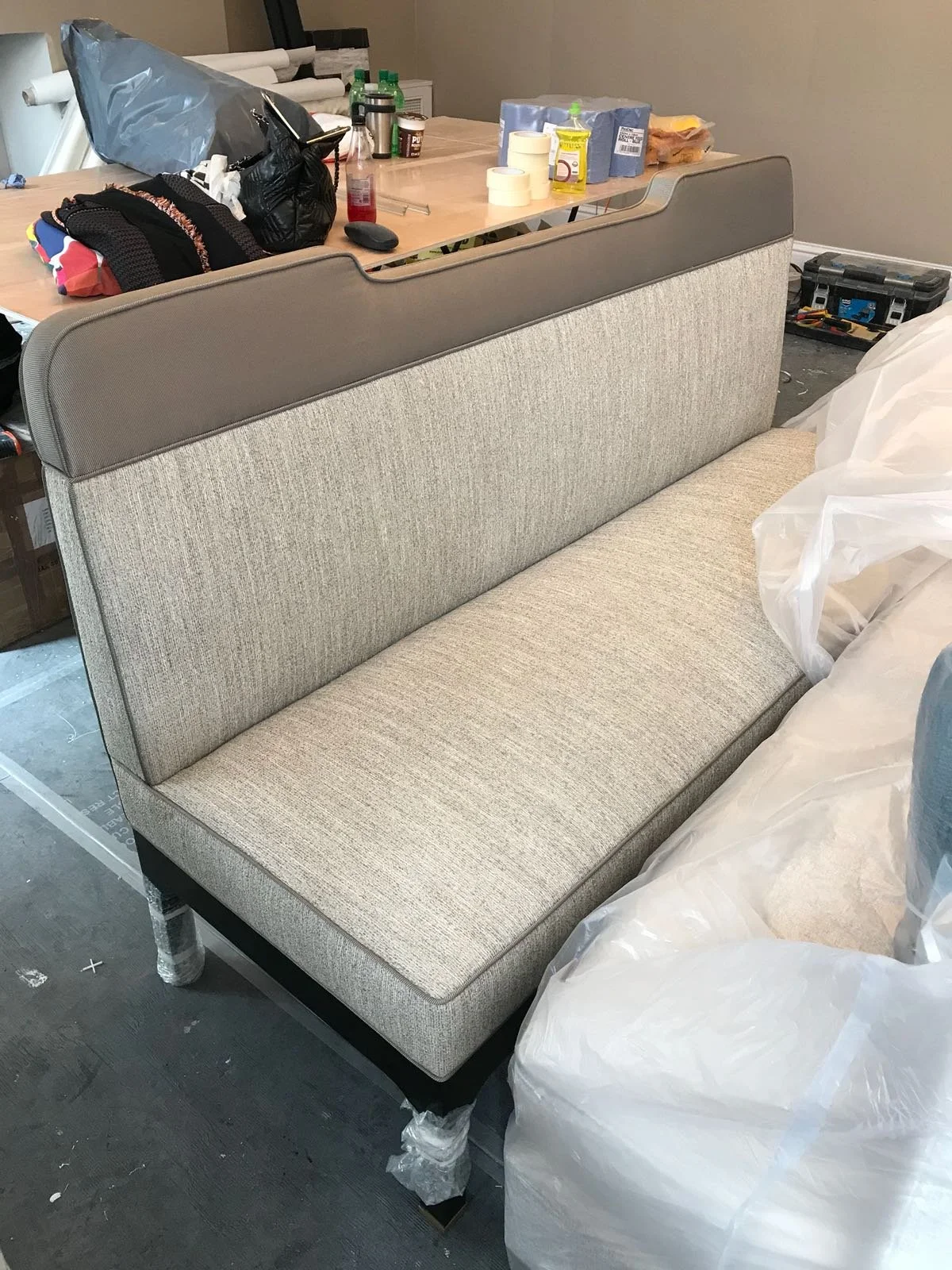
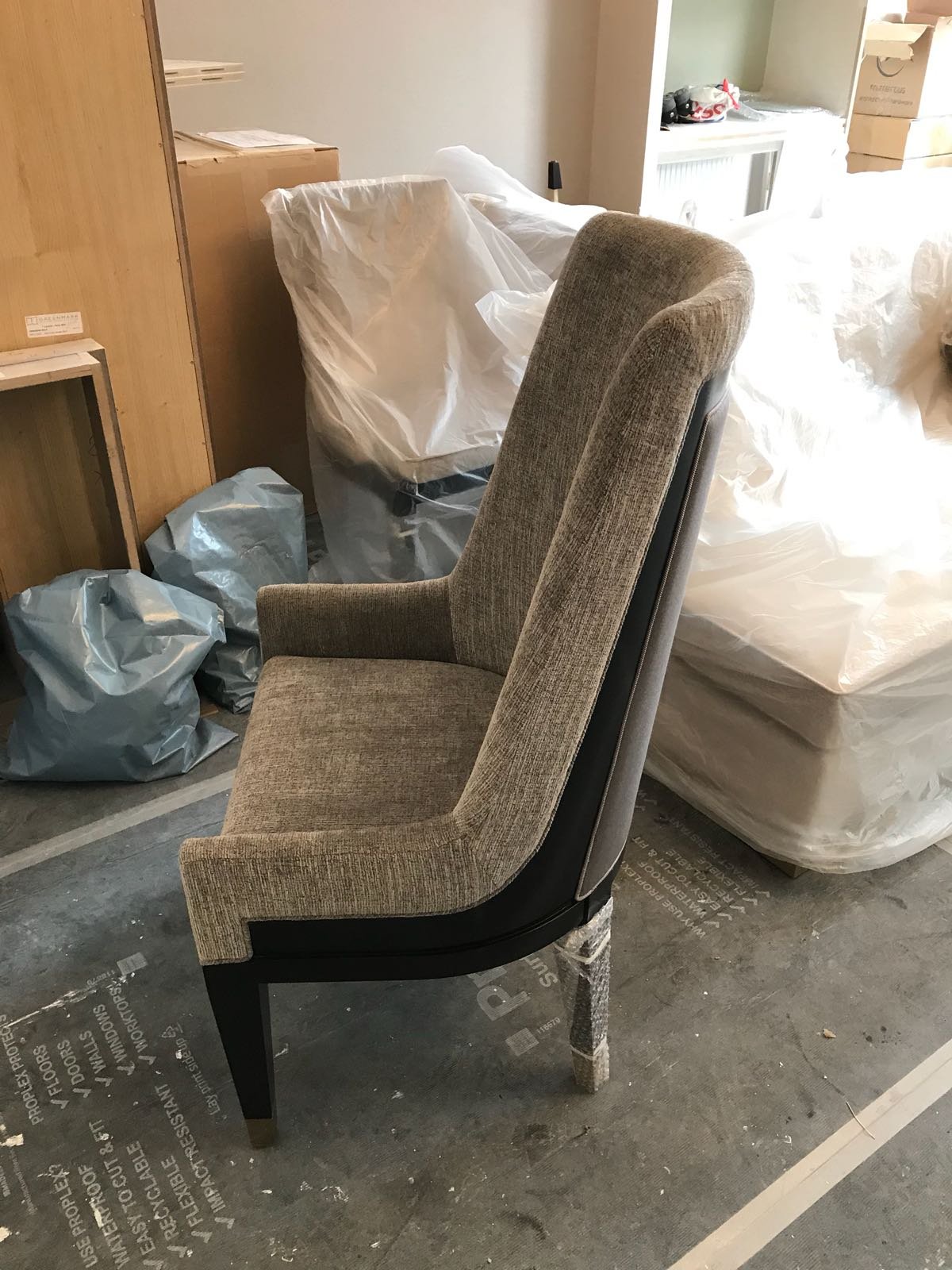
Made to our specification. The form exists — a sofa, an armchair — and we specify it to the room: dimensions altered, seat height changed, frame and filling chosen, upholstered in a fabric we select. In a Mayfair apartment on Upper Grosvenor Street, a cream swivel chair on a brass base was made this way, along with the dining chairs.
Chosen for the room. Sourced, not made: the vintage piece, the antique, the lighting. Carlos Place's 1stDibs lighting and vintage Serip sconces belong here. There is no shame in this category. The failure is calling it the first one.
Most good rooms are a mix of all three. What matters is that someone decided which was which, deliberately, piece by piece.
Where bespoke earns its money
Bespoke is not always the right answer. It is the right answer when one of these is true.
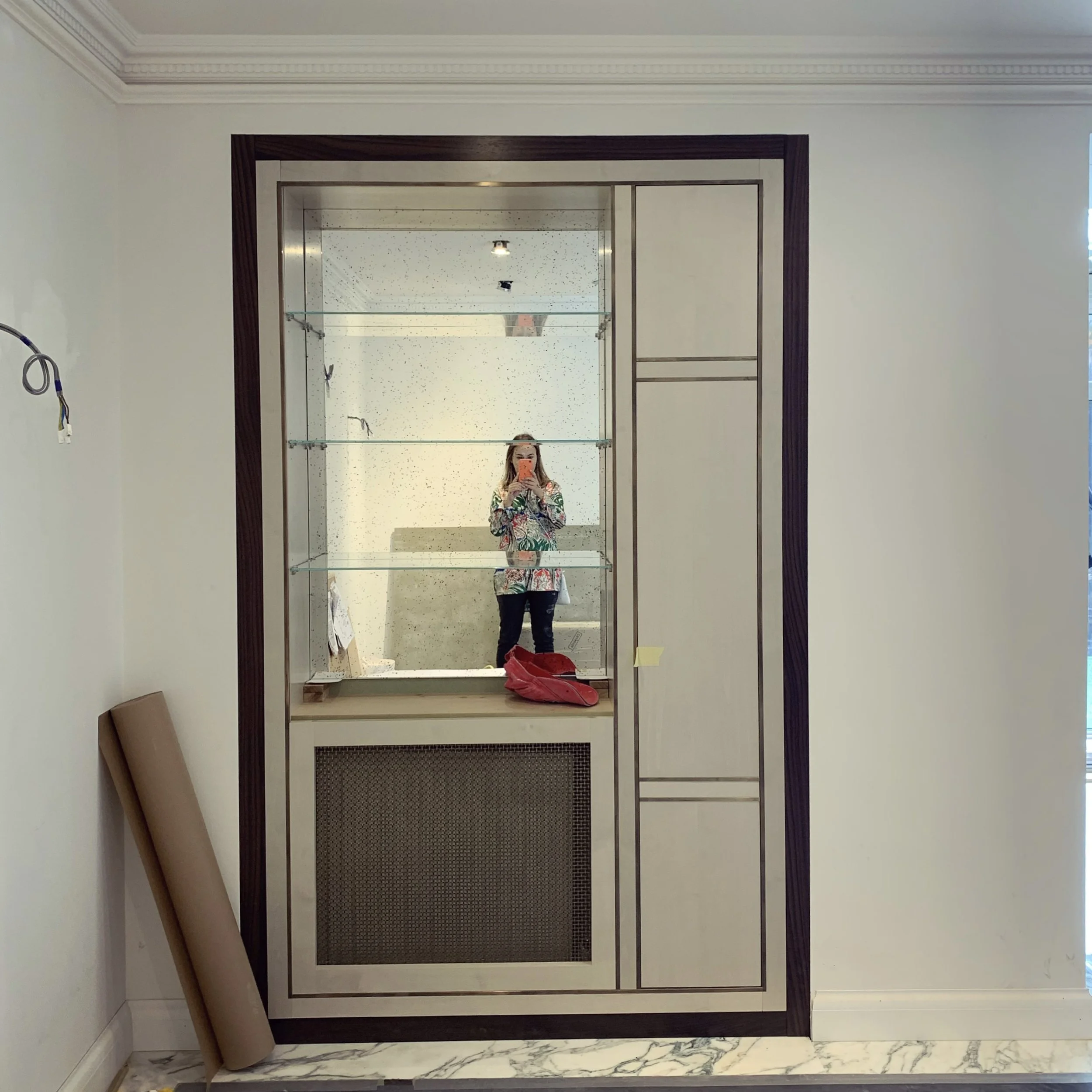
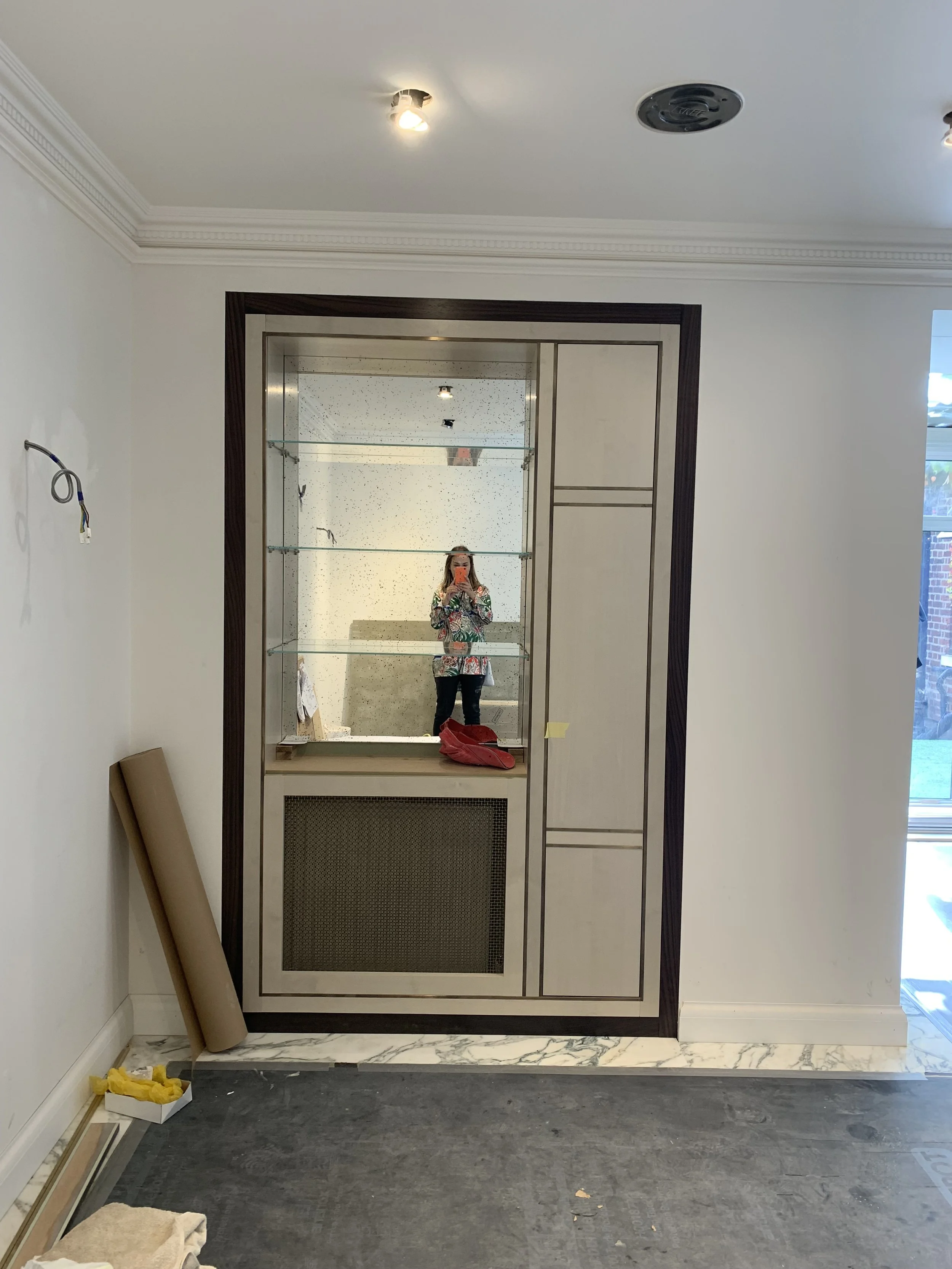
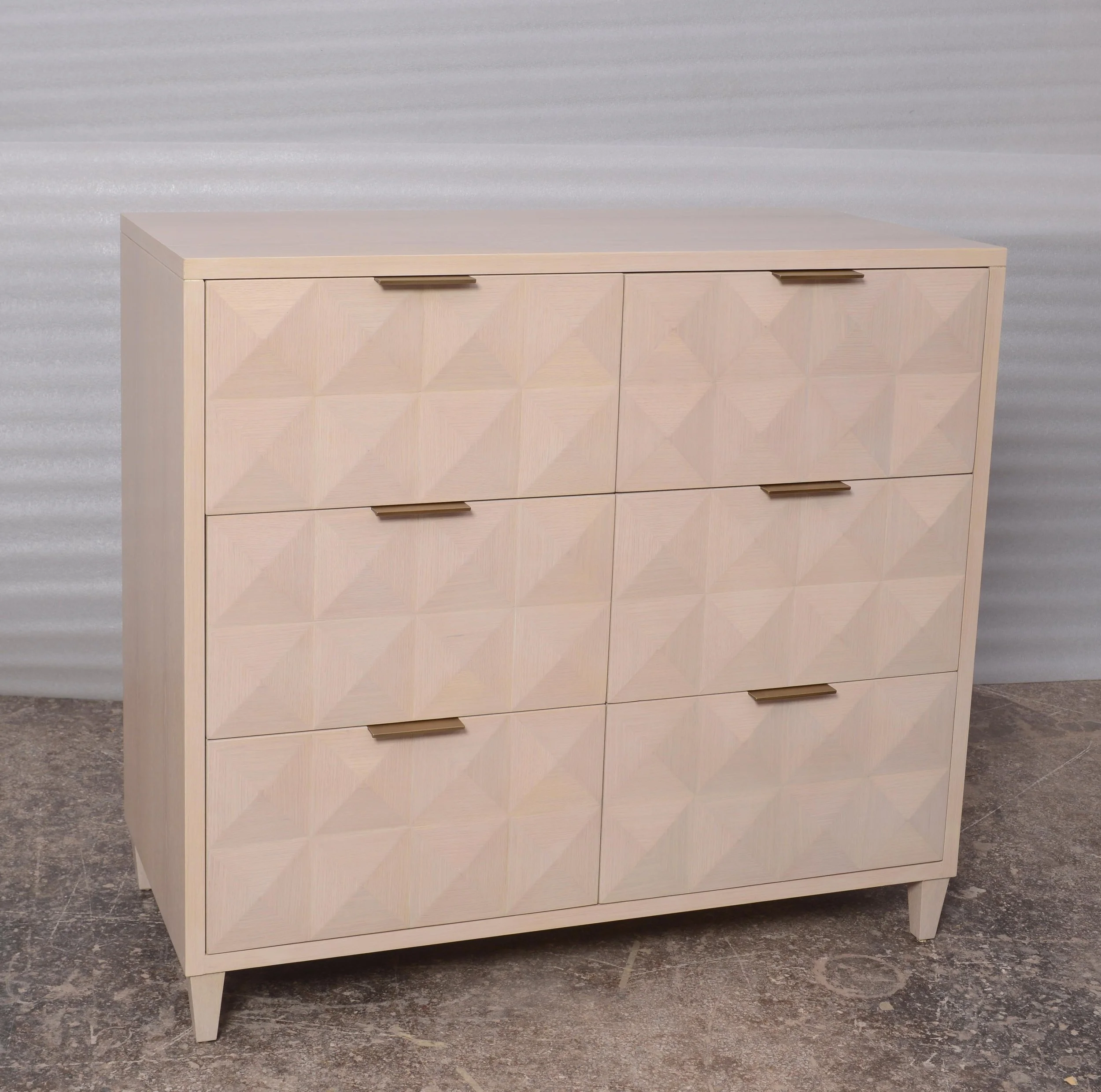
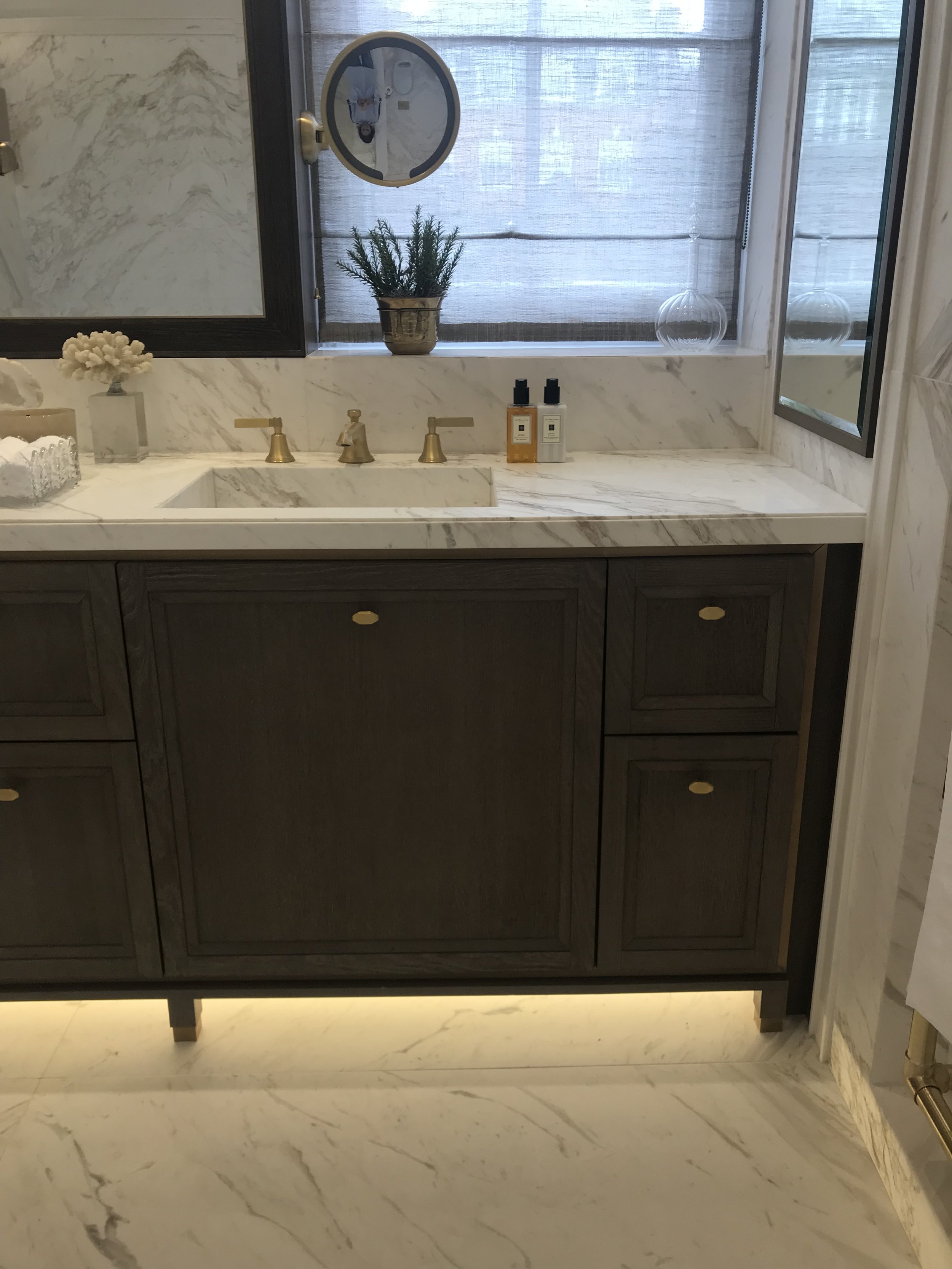
The room is an awkward shape. Listed buildings come with chimney breasts, blocked windows, sloping floors and alcoves that no standard carcass fits. Fitted joinery drawn to the actual dimensions gains storage and loses the gap that gives a good room away.
The proportion has to carry the architecture. A classical reception room with four-metre ceilings will swallow a sofa scaled for a new-build. Scaling furniture up is a drawing exercise, not a shopping exercise.
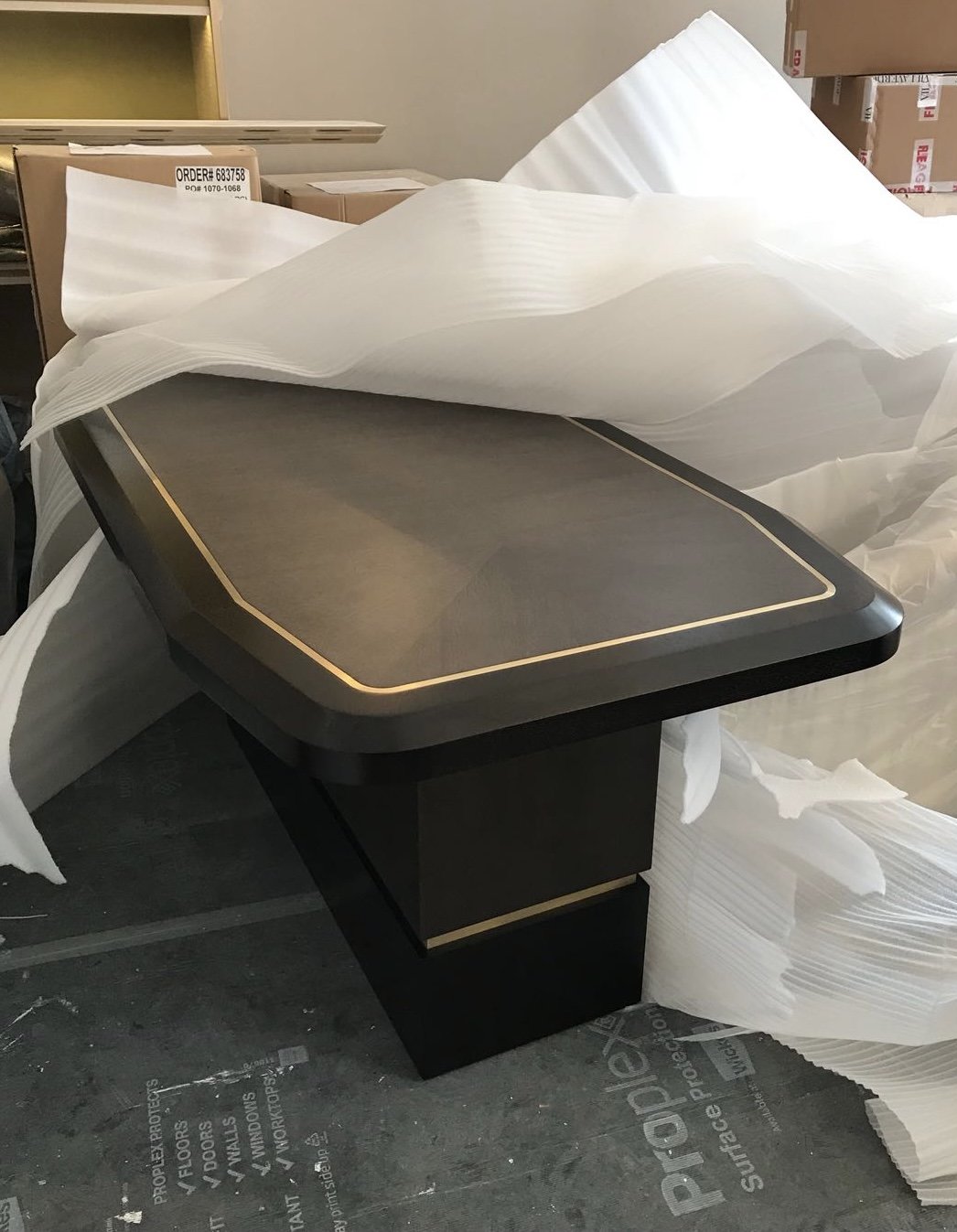
The piece has to do two things. A dining table that seats twenty and still reads as a centrepiece. Storage that has to disappear into a wall rather than stand against it.
The style has no shelf. In a penthouse extension above Abbey Road in St John's Wood, the interior is Art Deco in sensibility but entirely contemporary in execution. Furniture that genuinely belongs in that room does not exist to be bought — the geometry, the inlay, the proportions have to be drawn for it. That scheme's furniture began as sketches, which is where the rest of this piece starts too.
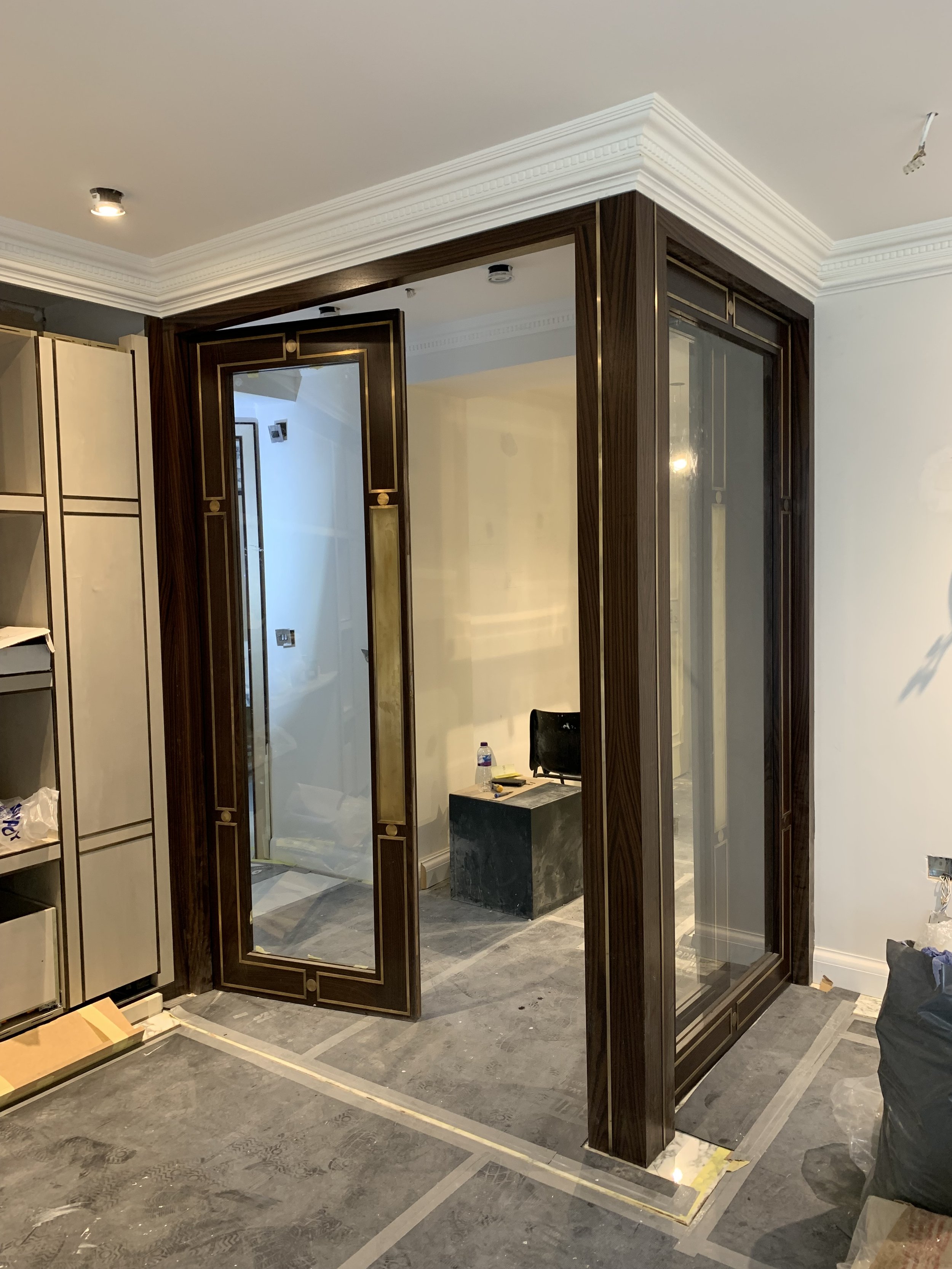
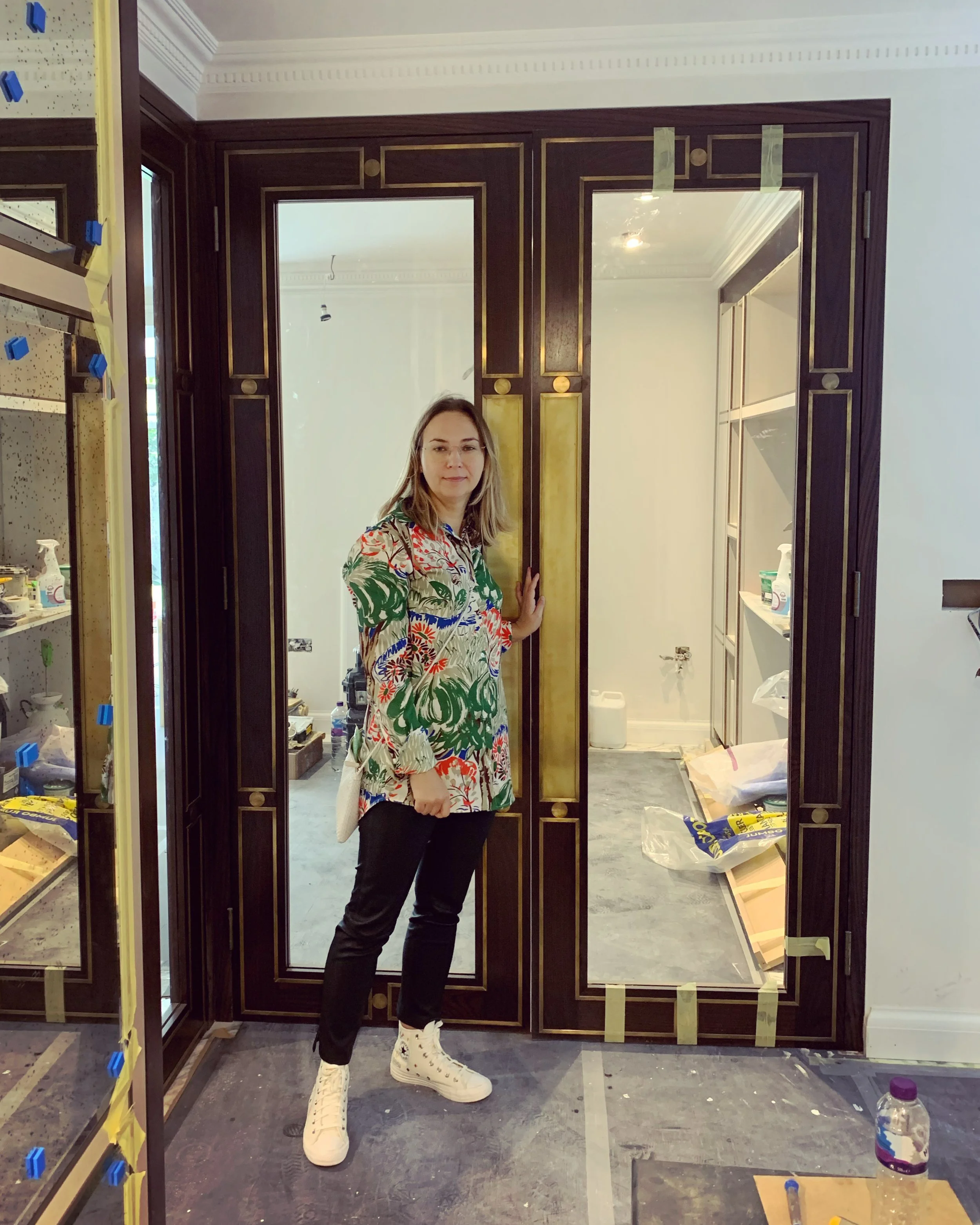
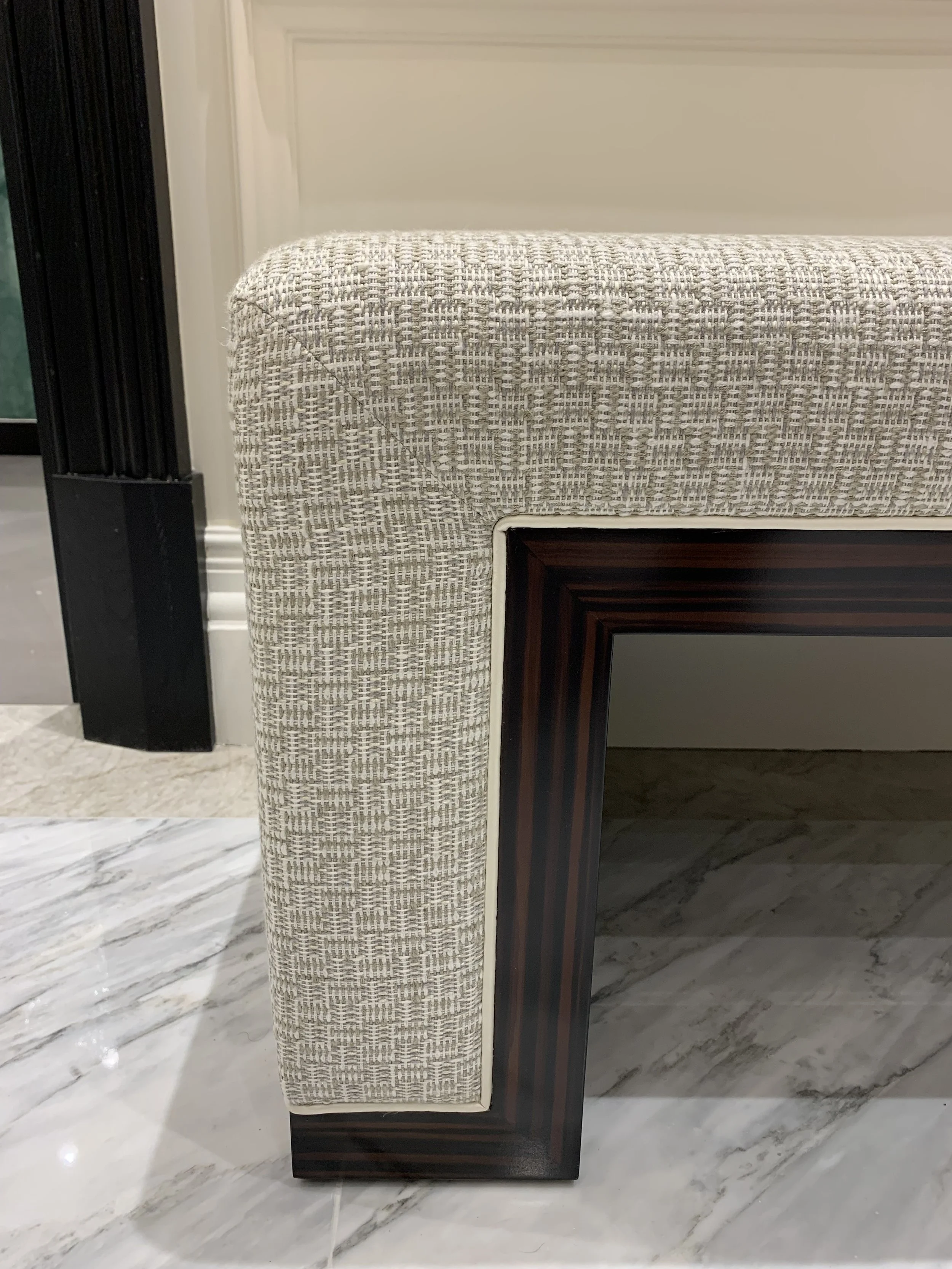
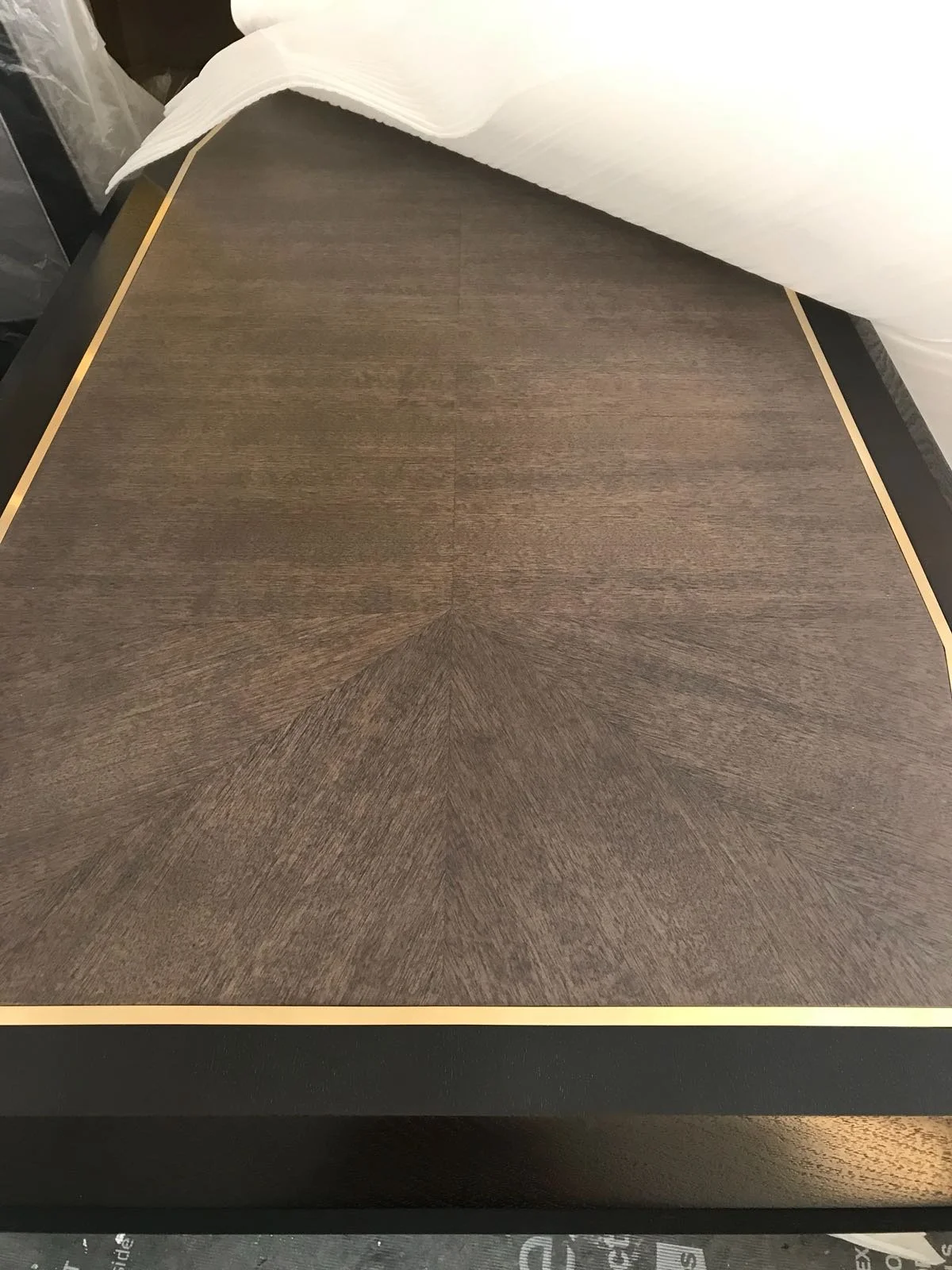
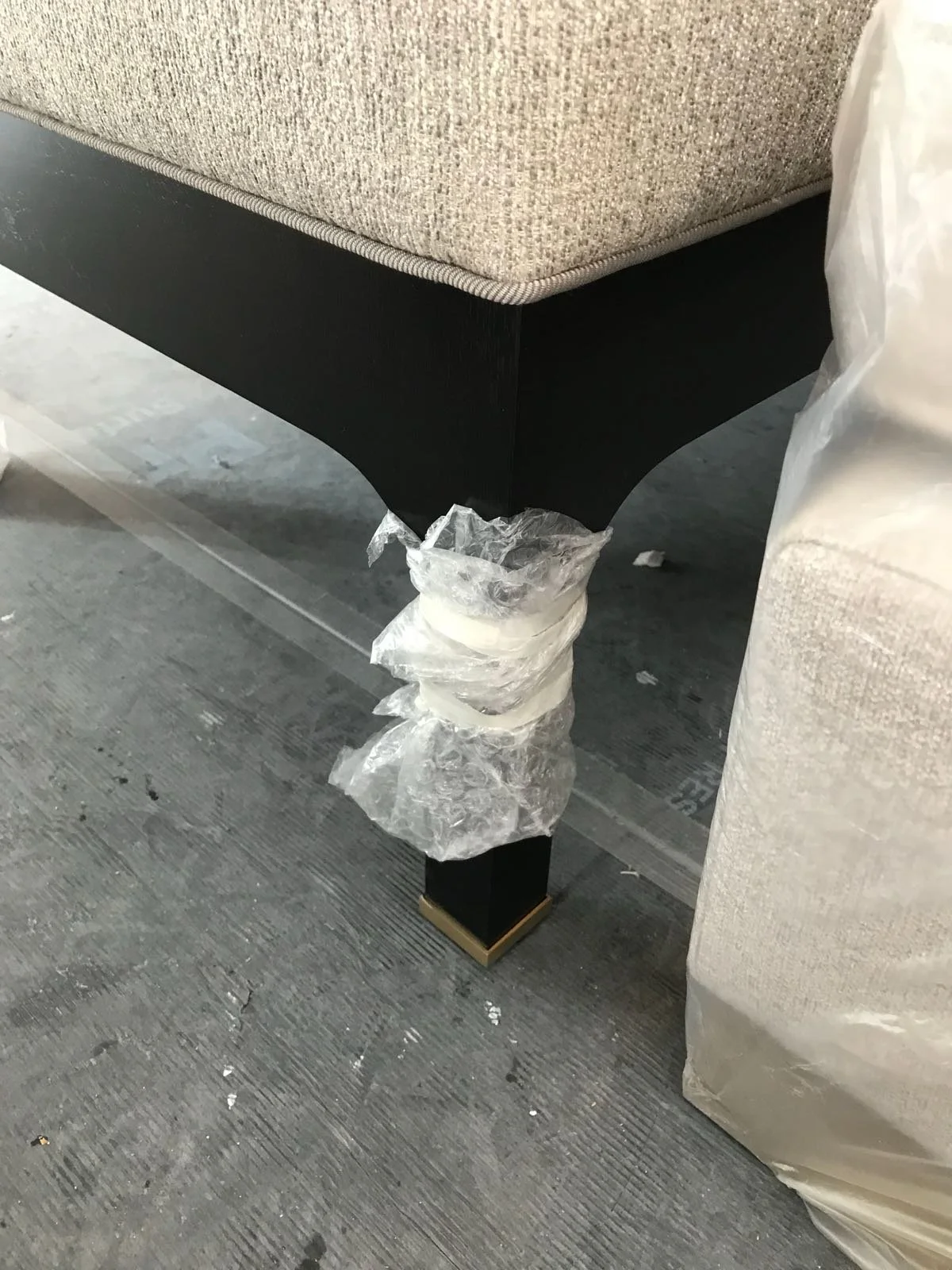
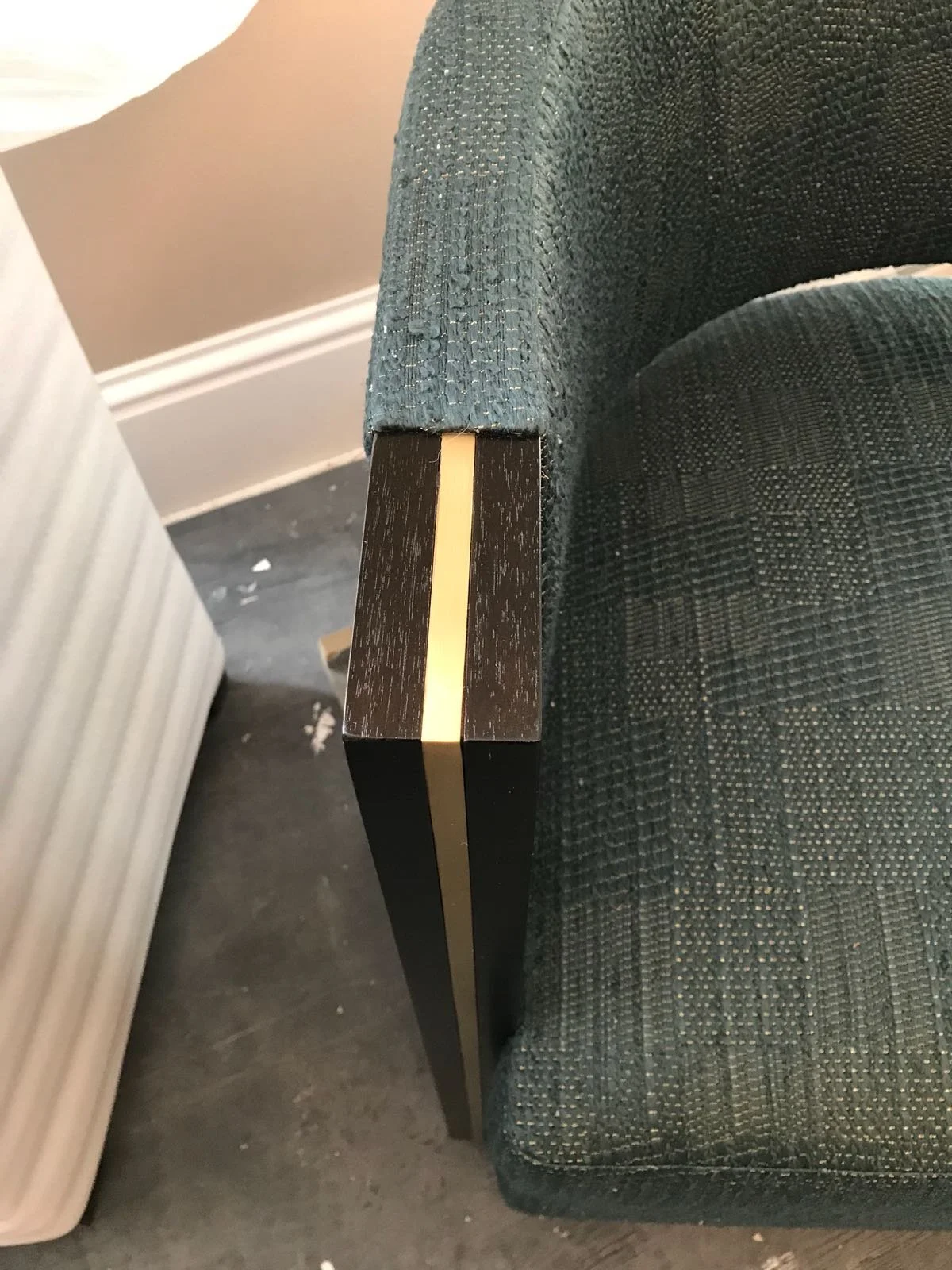
The detail is the whole point. Rosewood and brass glazed doors in a Mayfair apartment; a leather-and-brass ring pull on a high-gloss timber chest; a line of antique brass nailheads run by hand along a headboard seam. These are the decisions nobody photographs and clients touch every day.
How a piece gets made
Sketch and brief. The function first, the form second: who sits there, what it holds, how the room is used.
Drawing. A measured drawing with materials, finishes, hardware and tolerances. Nothing goes to a maker as a mood image.
Samples. Timber, finish, fabric, metalwork — approved in hand, at the scale they'll be seen, in the light of the room where possible.
Maker. The commission goes to the maker suited to that piece. Joinery, upholstery, metalwork and stone are different trades, and we don't pretend a single workshop is best at all four.
Prototype, where it's warranted. For a seating piece that has to be comfortable as well as correct, a prototype or a seat mock-up is cheaper than being wrong.
Installation. Delivered and fitted under our supervision, with the site programme sequenced so a finished piece never arrives into a building site.
Who makes it
We don't publish the names of our workshops. Those relationships are the studio's own, built over twenty years, and they are part of what a client is appointing us for.
What is worth saying is the standard they work to. The makers we commission also produce furniture for some of the finest private residences in the world and for five-star hotels including the Four Seasons and the Ritz-Carlton. That is the level of workshop drawing-room furniture should come from, and it is not a level you reach by searching for a supplier — you reach it by having worked with the same people for years, and by giving them drawings they respect.
It also matters commercially. A buyer at this level has seen the same imported sofa in three other apartments that week. The rooms that hold attention are the ones that could not have been assembled anywhere else.
How long it takes, honestly
This is the part clients are least prepared for, so it is worth being plain about it.
A bespoke case piece — a cabinet, a table, a run of joinery, a dressing room — can take up to 22 weeks, and that figure covers the whole sequence: design, production drawings, manufacture and shipping. The making is rarely the long part. The drawings are.
Upholstery through our UK suppliers runs six to ten weeks, which is why seating is usually the last thing to be ordered and the first to arrive.
We also work with UK-based furniture manufacturers, and there are good reasons to: the work is excellent and the logistics are simpler. Their prices sit somewhat higher, so it becomes a judgement per piece rather than a policy.
What those numbers really mean is that bespoke furniture belongs to projects with a design and refurbishment programme long enough to absorb it — which is most of ours, since we take schemes from first concept through to practical completion. If a piece is drawn at concept stage it arrives on time without anybody noticing. If it is thought of once the building work is finished, the client waits in an empty room.
If you are not in London
Commissioning bespoke furniture from abroad works on the same principle as commissioning curtains: discrete decisions, approved one at a time. Drawings and finish schedules go out by email, physical samples by courier, progress photographs from the workshop, and we attend delivery and installation in your place.
The fuller picture is in For Clients Who Can't Be on Site — Working with Developers and Overseas Owners.
Questions we are asked
Do you design the furniture or make it? We design and specify it, and commission specialist makers to build it. The drawing, the material decisions and the responsibility are ours.
Is bespoke furniture always more expensive than buying? Not always, and that surprises people. A bespoke sofa made in Britain can land close to a comparable high-end brand piece, because you are not paying for a showroom and a marketing budget. Fitted joinery is usually where bespoke is unarguable — there is rarely a bought alternative that fits.
How long does bespoke furniture take? A bespoke case piece can take up to 22 weeks, covering design, production drawings, manufacture and shipping. Upholstery through our UK suppliers runs six to ten weeks. This is why furniture is drawn at concept stage rather than after the building work.
Can you design a few pieces rather than a whole scheme? Yes — Supremati take furniture-only commissions: a dining table, a set of chairs, a headboard, a run of fitted joinery. We measure on site, draw the piece to the room and manage the making and installation. Be aware that the lead times above apply either way, so a standalone piece suits a client with time rather than one furnishing a house next month.
Who makes the furniture? Specialist workshops we have worked with for years, and whose names we keep to ourselves. They also make furniture for some of the finest private residences in the world and for five-star hotels including the Four Seasons and the Ritz-Carlton.
What materials do you work in? Timber and veneer, stone and marble, metalwork in brass and bronze, upholstery, glass, lacquer and fabric walling. Material choices follow the architecture — more on getting stone right in Five Marble Mistakes That Cost Thousands.
Closing
Furniture drawn for a room belongs to it in a way that bought furniture never quite manages. It is also the part of a scheme most often left until the budget is spent — which is why we draw it first.
If you are planning the refurbishment of a prime London home, see the work at supremati.co.uk, or read What It's Like to Work with Supremati.
Curtains and window treatments follow the same method — that piece is here: Bespoke Curtains in London: The Five Decisions Behind Every Window.
— Magdalena Gruszczynska, Founder & Creative Director, Supremati
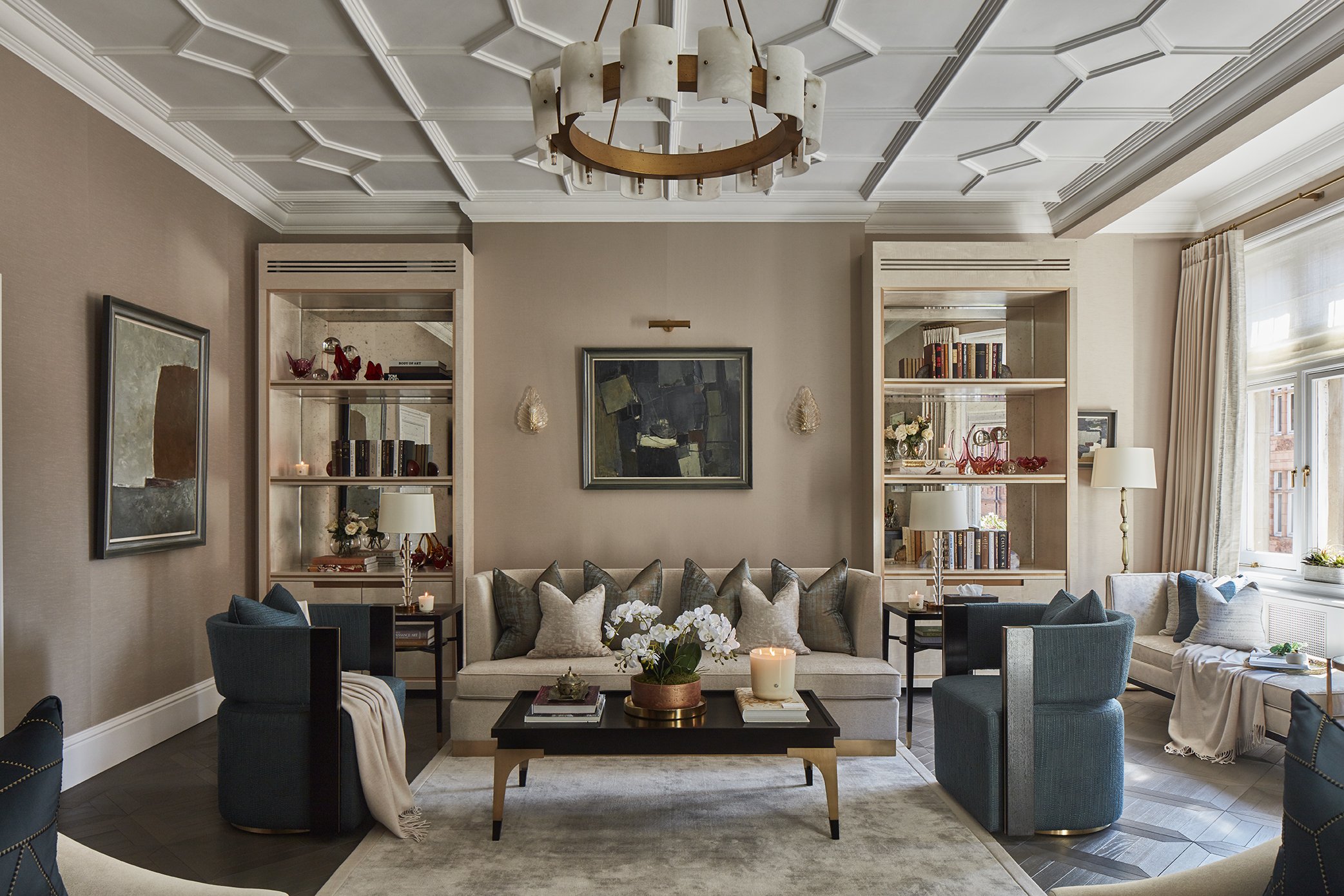
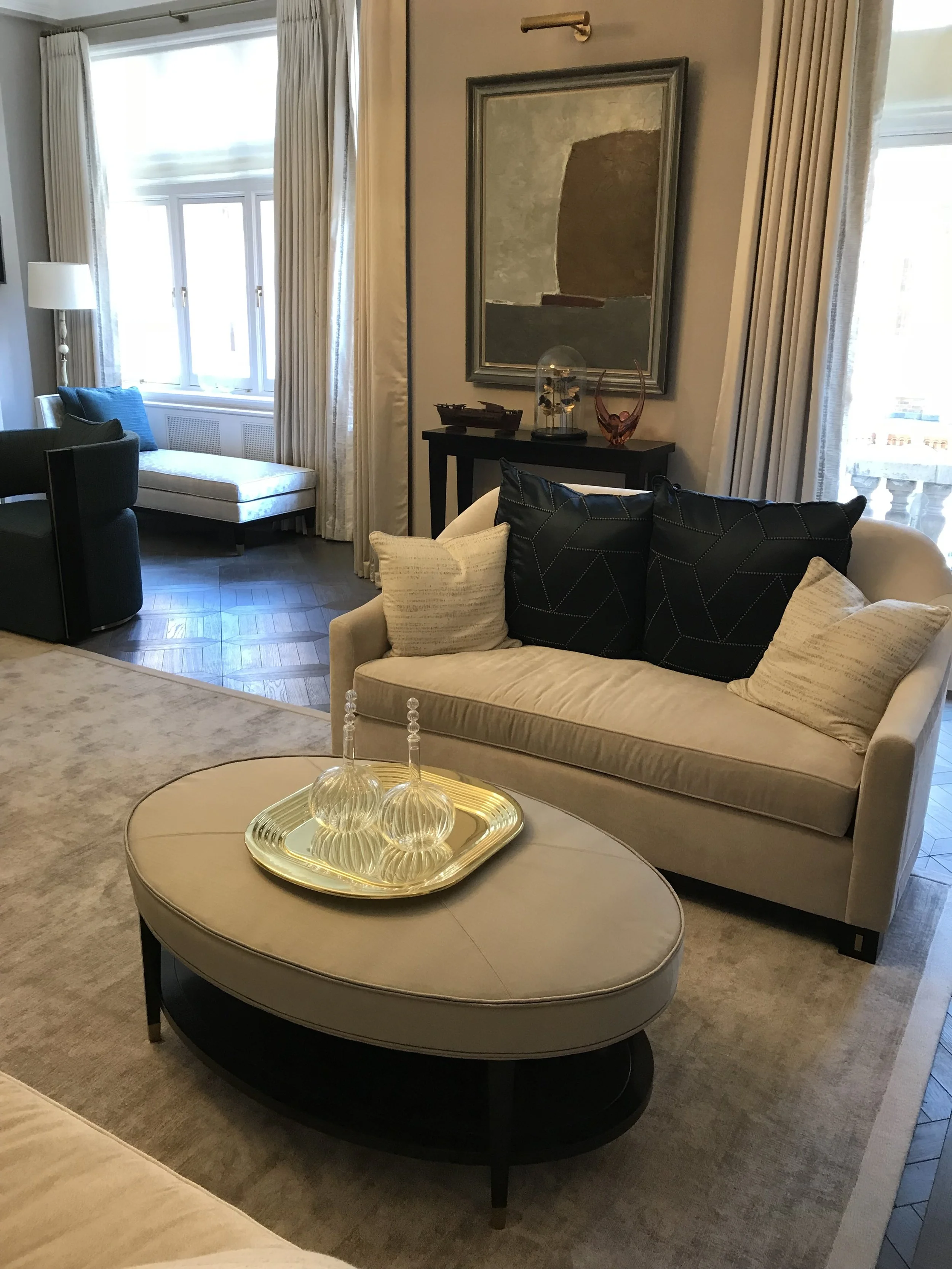
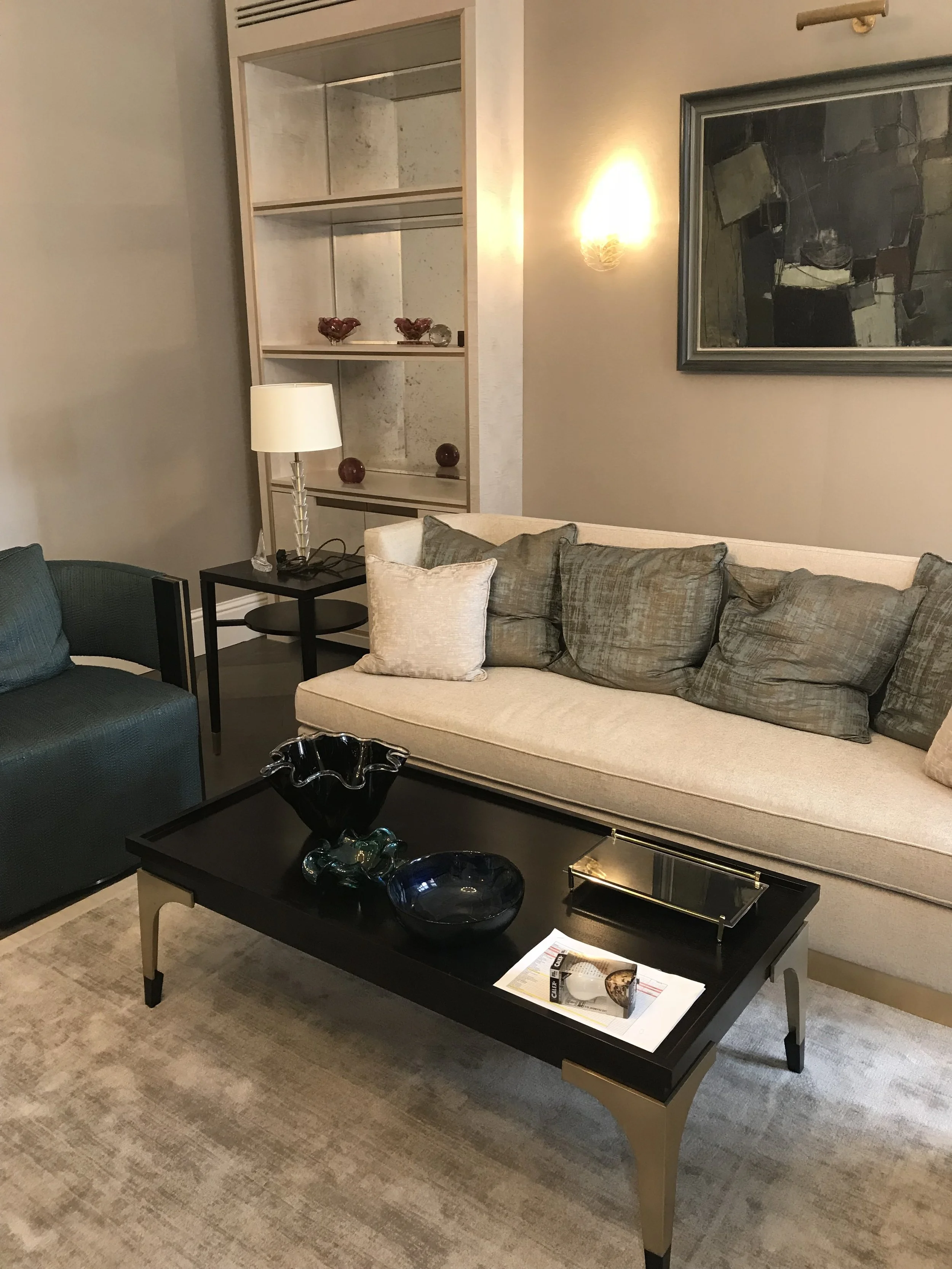
Sofa, armchairs, coffee table, day bed. Joinery, scatter cushions, curtains. All bespoke.
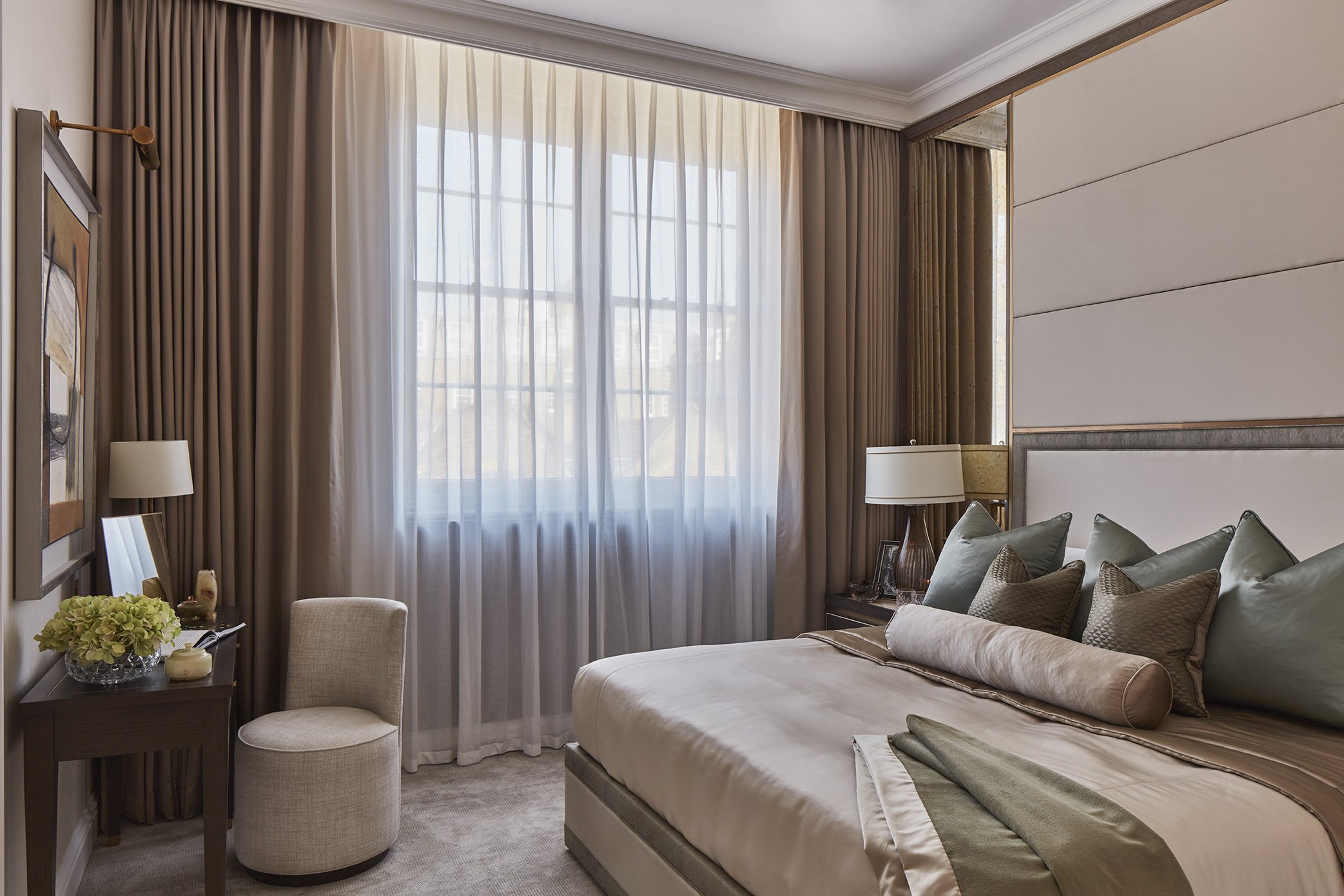
Bed-base, headboard, bedside tables, desk, armchair, scatter cushions, bed-cover, bed throw, curtains. All bespoke.
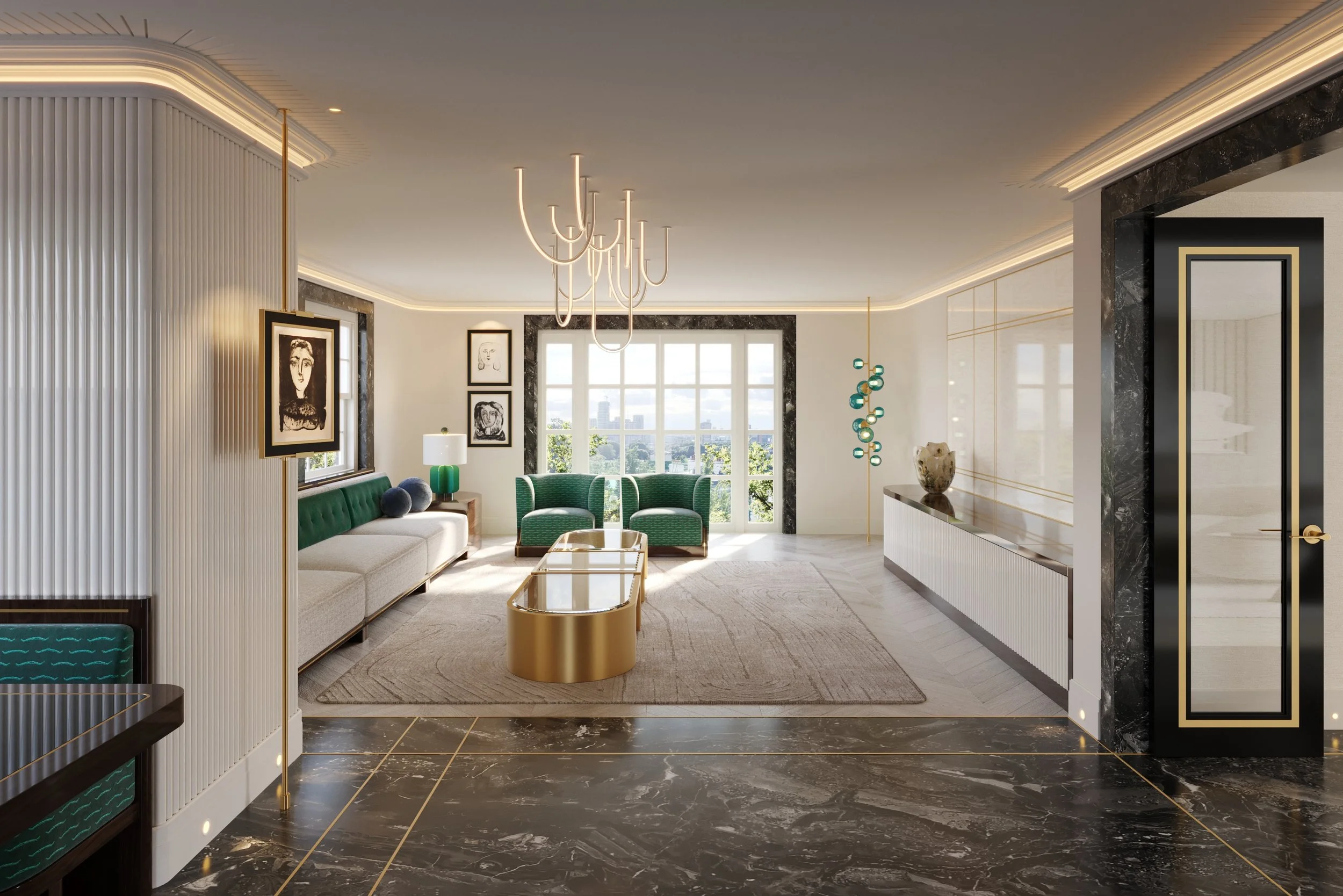
Sofa, armchairs, coffee table, sideboard. All bespoke.