

JOURNAL
Explore the archives and read the latest articles on interior design, our work in progress, behind the scenes and the latest design trends in the industry.
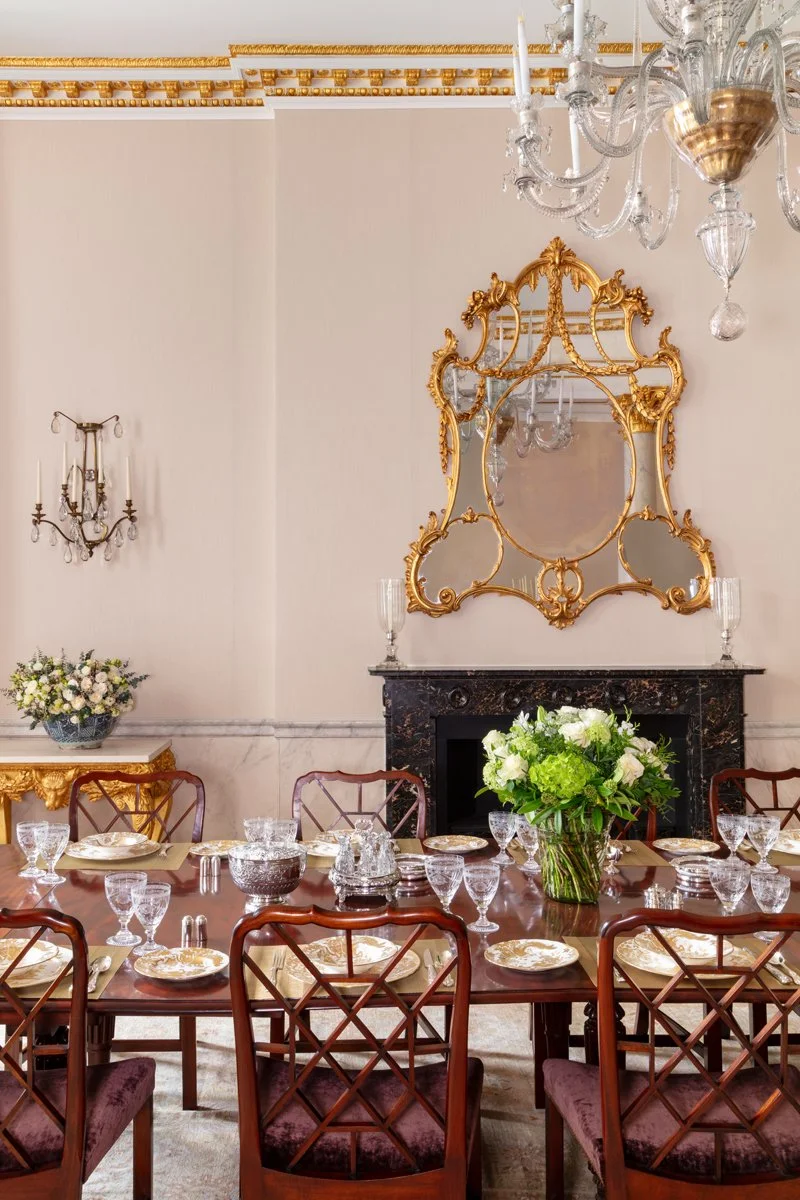
Designing Bespoke Interiors for London's Luxury Market
At Supremati, we believe that exceptional interior design is achieved through a bespoke approach, meticulously tailored to each client's unique functional needs and aesthetic aspirations.
Understanding Client Lifestyle and Preferences
Our process begins with a deep dive into our clients' lifestyles, design preferences, and daily routines. By understanding how a space will be used, we can create functional and harmonious arrangements that reflect how our clients live and interact with each other.
Collaborative Concept Development
Collaboration is at the heart of our design philosophy. We work closely with our clients to develop design concepts that resonate with their personal tastes and preferences. This includes creating tailored fabric and material boards, custom colour schemes, and unique design concepts that reflect their vision.
Precision in Design and Execution
Attention to detail is paramount in our approach. From precise site measurements to optimized layouts, we ensure that every element is meticulously planned and executed. Our team oversees every step of the installation process, collaborating with trusted contractors and suppliers to deliver exceptional results.
Integration of Architecture and Interior Design
We believe that interior design and architecture should work seamlessly together. By collaborating closely with architects and structural engineers, we refine layouts that prioritize both beauty and practicality. This holistic approach ensures that each space is tailored to meet our clients' unique needs.
Commitment to Excellence
Our commitment to excellence has forged strong relationships with our clientele, many of whom collaborate with Supremati repeatedly on subsequent projects. We continuously source premium materials, furniture, fabrics, and bespoke pieces to create sophisticated and timeless interiors.
At Supremati, designing bespoke interiors is more than a service; it's a passion. We take pride in transforming spaces into luxurious, functional, and personalized environments that truly feel like home.
The future’s green: balancing luxury property and sustainability
‘‘In order to achieve a more sustainable approach to luxury property, the sector is having to make some significant shifts in order to even begin to make an impact. The built environment is responsible for 40% of global emissions and in super-prime property, the stakes are potentially even higher, as historically, the expectations of UHNWIs haven’t always gone hand-in-hand with eco-friendly choices.
The good news is that attitudes across the board are shifting, with almost two-thirds of UHNWIs attempting to reduce their carbon footprint, according to the attitudes survey in the Knight Frank Wealth Report 2024. Though there is, of course, an expectation when it comes to luxury property that sustainable alternatives must meet or even exceed conventional standards.
All areas of the luxury property sector are becoming expert at balancing design excellence with eco-consciousness. Creative reuse of materials, the integration of renewable energy sources and the adoption of efficient, eco-friendly technologies are redefining luxury. What’s also heartening to see, is that companies are not working in isolation, but looking for ways to collaborate and share knowledge to both hold each other to account and together strive to do better.
To discuss this fascinating topic, we reached out to a broad spectrum of our members, drawn from the fields of architecture, interior design, real estate, property surveying, technology, branding, project management, manufacturing and law. So, please join The Luxury Property Forum and our experts as we take an in-depth look at the challenges, benefits and future of sustainability in the luxury property sector.’’ The Luxury Property Forum
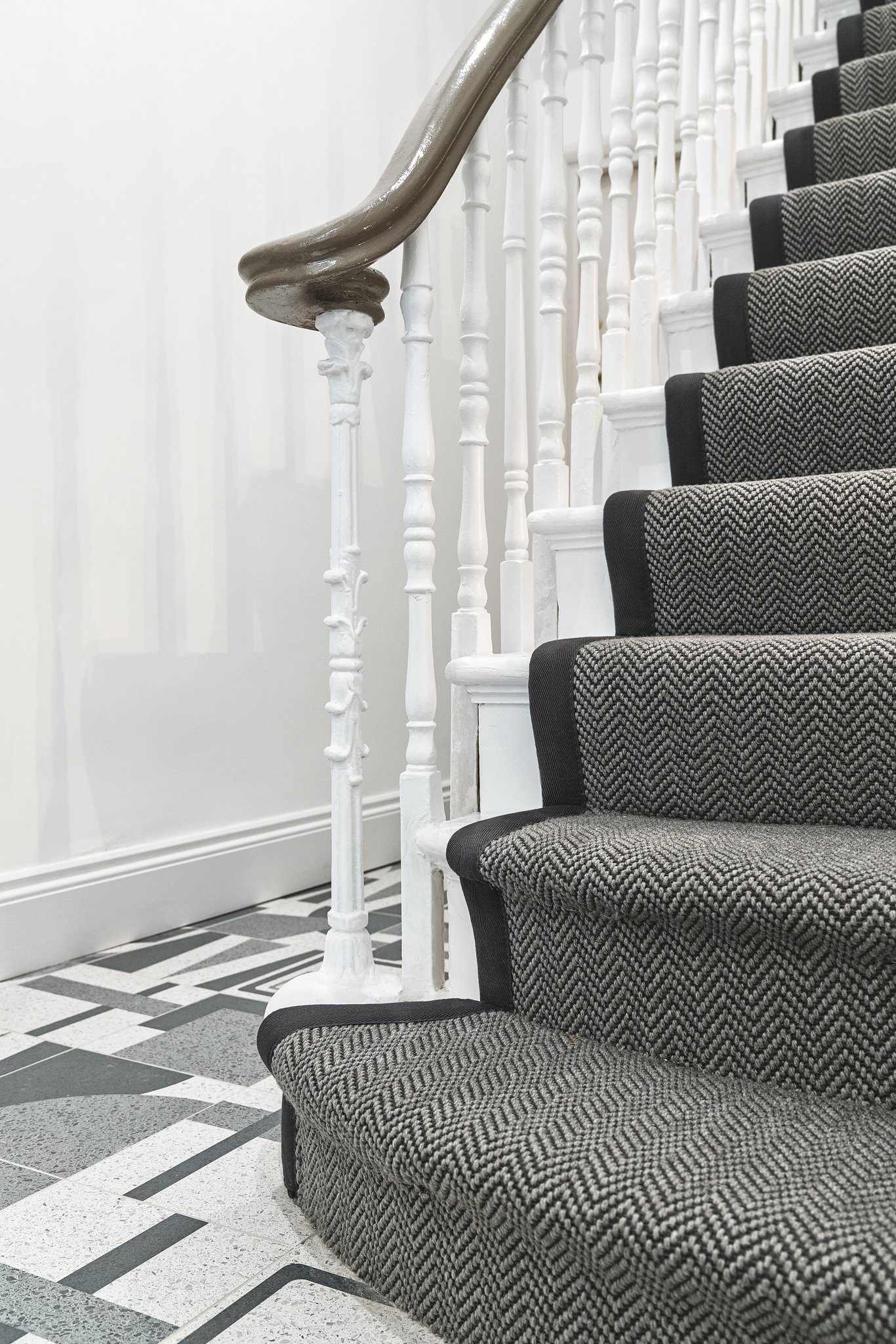
How to Transform a Period Property in London into a Modern Luxury Space
Modern art has become an essential element in luxury interior design, transforming spaces into captivating, personalized sanctuaries. At Supremati, a leading luxury interior design studio based in London, we understand the power of art in defining the character of a home. Incorporating modern art into your interior can elevate your space, blending sophistication, creativity, and individuality.
Discover how Supremati transforms London’s period properties into contemporary luxury spaces — preserving architectural heritage while introducing modern finishes, bespoke joinery, and refined living.Why Modern Art Matters in Luxury Interiors
Modern art serves as more than a decorative piece; it’s a statement of style and a reflection of personal taste. For luxury homes, incorporating art is an opportunity to connect contemporary culture with timeless elegance. At Supremati, we expertly curate art pieces that harmonize with bespoke furniture, high-end finishes, and architectural features, creating a seamless flow between art and design.
Tips for Integrating Modern Art into Your Space
1. Choose Art That Resonates with the Space
When selecting modern art for your luxury home, consider the existing design palette. For instance, in our Albion Gate project near Hyde Park, we complemented the space’s art-deco-inspired design with bespoke green and blue undertones, ensuring the art echoed the tranquil surroundings.
2. Make It a Focal Point
Modern art can be the centerpiece of a room, drawing attention and sparking conversation. A large abstract painting in a contemporary open-plan living area can anchor the space, as we’ve done in some of London’s most luxurious apartments.
3. Use Art to Define Spaces
Art can subtly delineate different areas within open-plan designs. For instance, in a luxury London apartment, a sculptural piece can separate the living area from a dining space, while maintaining aesthetic harmony.
4. Experiment with Scale and Texture
Luxury interiors thrive on layering and depth. Incorporate a mix of art styles, such as textured canvases, sleek sculptures, or mixed-media installations, to add dimension. We often combine these elements with bespoke furniture to achieve a cohesive yet dynamic look.
5. Partner with Experts
Curating modern art for luxury interiors requires an eye for detail and an understanding of the client’s vision. At Supremati, we work closely with our clients to source, commission, and position artworks that enhance the beauty and functionality of their space.
The Supremati Approach to Art and Design
At Supremati, we specialize in creating bespoke interiors that seamlessly integrate modern art. Our projects are defined by meticulous craftsmanship, luxurious finishes, and a deep appreciation for artistry. From art-deco influences to contemporary minimalism, we tailor each design to reflect the individuality of our clients.

Incorporating Modern Art into Luxury Interiors
Modern art has become an essential element in luxury interior design, transforming spaces into captivating, personalized sanctuaries. At Supremati, a leading luxury interior design studio based in London, we understand the power of art in defining the character of a home. Incorporating modern art into your interior can elevate your space, blending sophistication, creativity, and individuality.
Supremati explores how modern art elevates luxury interiors — from curating statement pieces to integrating sculptures and mixed-media works that harmonise with bespoke design and high-end finishes.Why Modern Art Matters in Luxury Interiors
Modern art serves as more than a decorative piece; it’s a statement of style and a reflection of personal taste. For luxury homes, incorporating art is an opportunity to connect contemporary culture with timeless elegance. At Supremati, we expertly curate art pieces that harmonize with bespoke furniture, high-end finishes, and architectural features, creating a seamless flow between art and design.
Tips for Integrating Modern Art into Your Space
1. Choose Art That Resonates with the Space
When selecting modern art for your luxury home, consider the existing design palette. For instance, in our Albion Gate project near Hyde Park, we complemented the space’s art-deco-inspired design with bespoke green and blue undertones, ensuring the art echoed the tranquil surroundings.
2. Make It a Focal Point
Modern art can be the centerpiece of a room, drawing attention and sparking conversation. A large abstract painting in a contemporary open-plan living area can anchor the space, as we’ve done in some of London’s most luxurious apartments.
3. Use Art to Define Spaces
Art can subtly delineate different areas within open-plan designs. For instance, in a luxury London apartment, a sculptural piece can separate the living area from a dining space, while maintaining aesthetic harmony.
4. Experiment with Scale and Texture
Luxury interiors thrive on layering and depth. Incorporate a mix of art styles, such as textured canvases, sleek sculptures, or mixed-media installations, to add dimension. We often combine these elements with bespoke furniture to achieve a cohesive yet dynamic look.
5. Partner with Experts
Curating modern art for luxury interiors requires an eye for detail and an understanding of the client’s vision. At Supremati, we work closely with our clients to source, commission, and position artworks that enhance the beauty and functionality of their space.
The Supremati Approach to Art and Design
At Supremati, we specialize in creating bespoke interiors that seamlessly integrate modern art. Our projects are defined by meticulous craftsmanship, luxurious finishes, and a deep appreciation for artistry. From art-deco influences to contemporary minimalism, we tailor each design to reflect the individuality of our clients.

The Art of Adornment: The Parallel Evolution of Fashion and Interior Design
Fashion and interior design have evolved in parallel throughout history — both reflecting societal values, cultural shifts, and the enduring human desire to express identity through adornment and space.Fashion’s history is one of the key notations to observe when considering the pivotal events and shifts that define one generation from the next. It is one of the few elements that evolve dramatically alongside changes in leadership and developments in social and political landscapes. Over the years, dress codes have been suggested and enforced in certain locations for a multitude of reasons, whether cultural, social, or political. In the Western world during the 1800s–1900s, lavish dresses, and immaculate suits were imperative and appropriate attire to be worn when attending Soirées, emulating the luxury and splendour of the room’s adornments. Entire spaces were designed to transform, each dedicated to creating a specific atmosphere or theme that ensured guests felt both comfortable and unified, enhancing the overall ambiance. Decadent styles were social symbols of wealth, status, and prosperity, amplifying the desire to showcase one's good fortune which helped maintain the familiar social class hierarchy. Whilst this is still undoubtedly present in modern cultures, it carried a particular nuance at the time that not only signified the presence of wealth but also power and authority.
Fashion's eccentric influence extended beyond clothing, permeating every aspect of a lifestyle on display. From finely embroidered cotton curtains to the silk pillow casings reclining on a vast bed; taste, and sophistication were at the forefront of upper-class living. Nevertheless, as time went on, fashion became symbolic of the generation you were born into, aligning with musical voices that defined eras, and ultimately shaped the time period into a distinct and discernible image. Alongside this, progressive changes in interior design evolved in parallel with fashion, with the concern for the appearance of one's home no longer exclusive to the rich and famous. Long-standing trends such as DIY and Thrifting remerged, harking back to as early as the 17th century, naturally altering fashion and interior design’s intended trajectory. Vintage clothing and antiquated furniture became part of an individual’s identity, reflecting a renewed appreciation for carefully crafted items, a value that had diminished with the rise of fast fashion and purely functional objects.
A conclusion would reveal that both fashion and interior design have long served as reflections of societal values, political shifts, and cultural evolution. While fashion expresses personal identity and status, interior design transforms entire spaces to mirror these same ideologies, from the opulence of past eras to today’s more accessible trends such as vintage revival. The evolution of both realms showcases an ongoing dialogue between individual tastes and broader social movements. Whether through meticulously curated garments or intricately designed living spaces, fashion and interiors together declare a deeper connection to power, authority, and artistry, shaping the way each generation leaves its mark on history.

Supremati's Favorite Exhibitors from Decorex 2024
Supremati highlights standout exhibitors from Decorex 2024, featuring makers and artists working across bespoke furniture, hand-woven textiles, felting, and artisanal terrazzo.
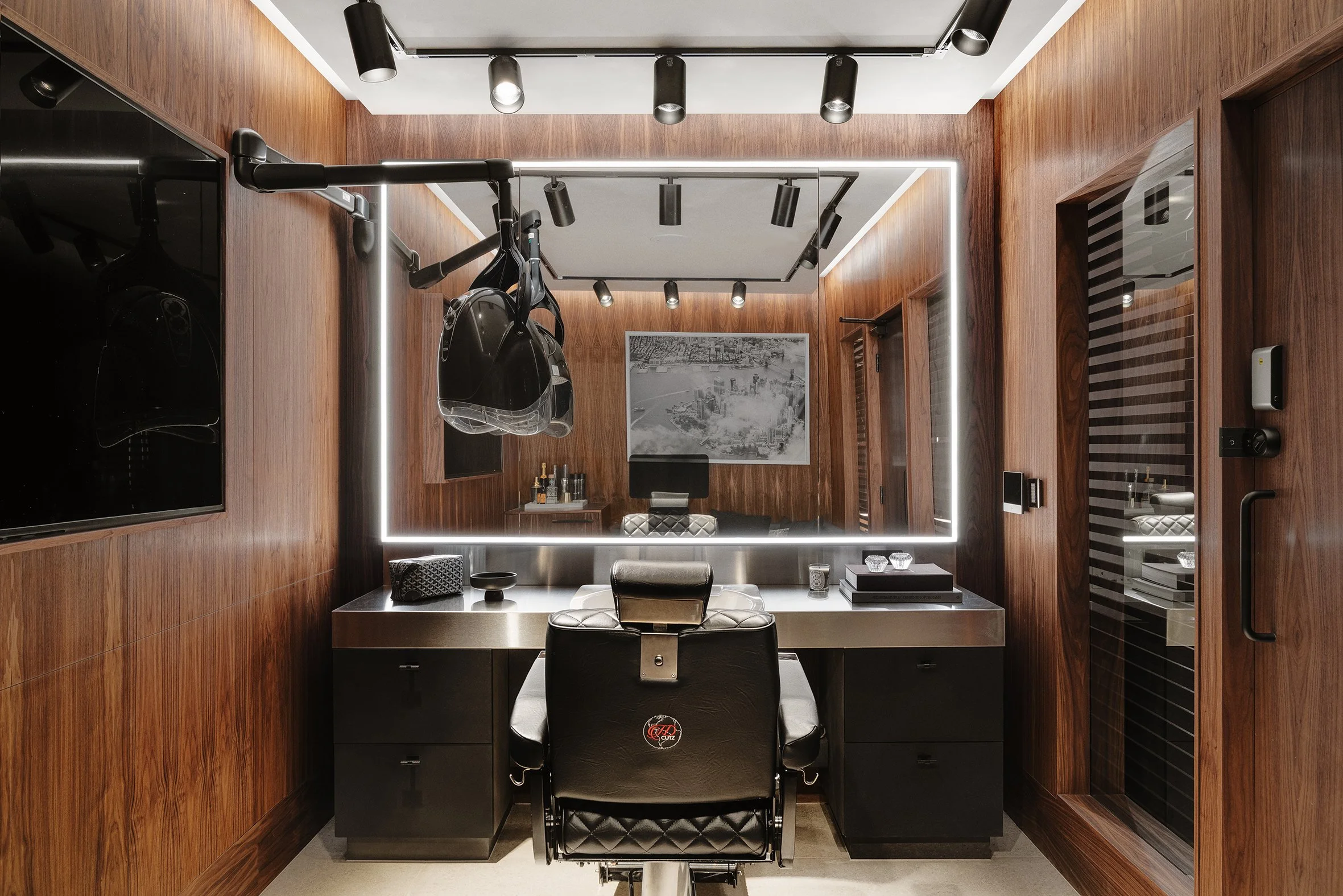
Precision Meets Luxury: Reimagining the Interior Design of HD Cutz London
Supremati reimagines HD Cutz London—celebrity barber Sheldon Edwards’ iconic flagship salon—into a bold, luxurious, and futuristic space. With precision lighting, tailored spatial planning, and refined materials, this barbershop interior design project sets a new standard for modern grooming destinations.
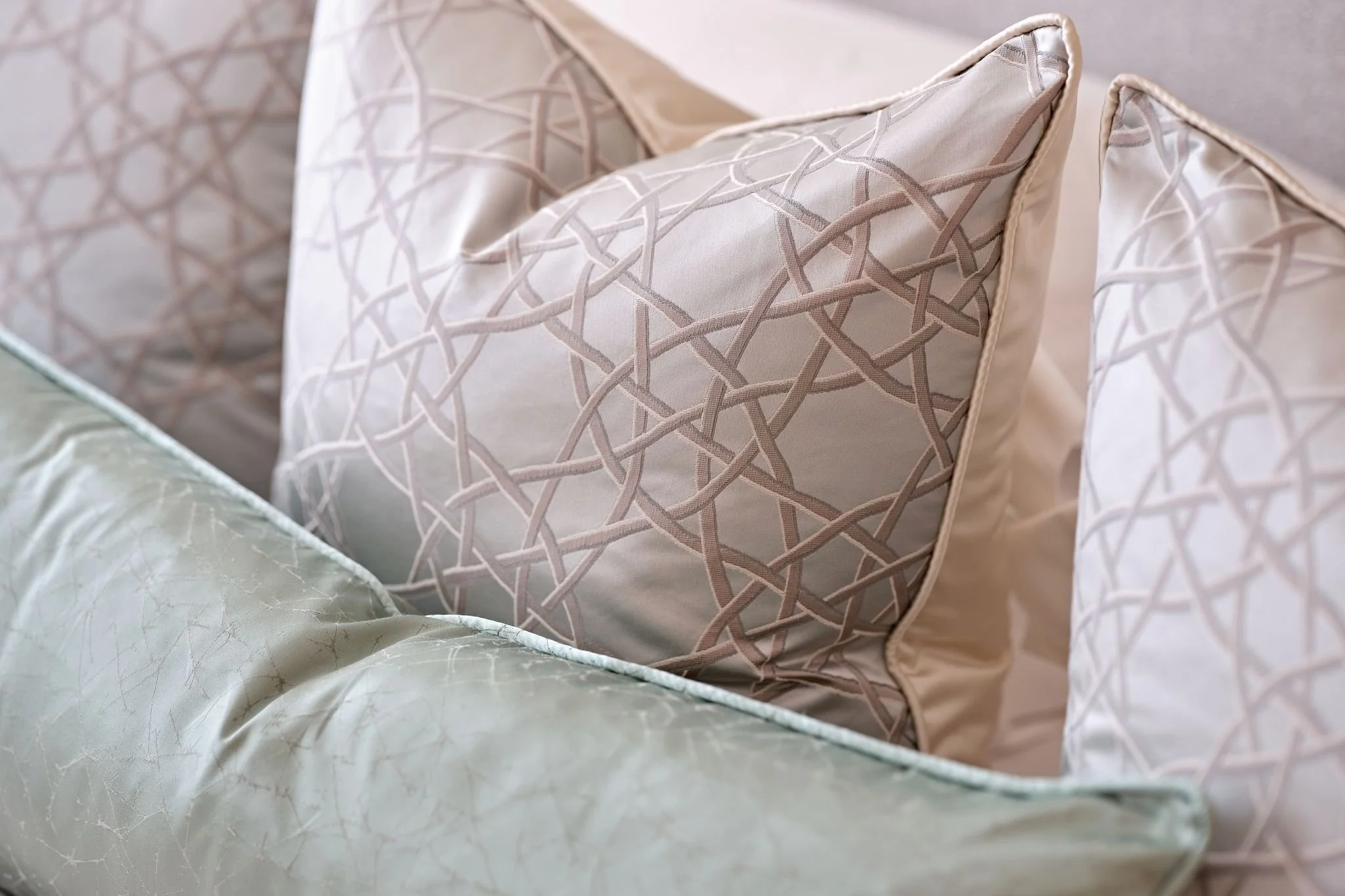
Fashion Forward Interiors: The Growing Influence of Style in Home Decor
Explore how fashion's love of texture, pattern, and material has long shaped interior design — and how personal style can be the key to defining a truly individual home aesthetic.

Aesthetic Alignment: Harmonising Fashion and Interior Design
Explore the aesthetic alignment between fashion and interior design — how visionaries like Iris Van Herpen, Thom Browne, and Robert Wun illuminate the shared language of form, material, and meaning across creative disciplines.

supremati’s completed projects - albion gate, hyde park, london
Albion Gate is an interior-architectural project that Supremati designed for a developer in central London, Hyde Park.
A completed interior-architectural project at the historic art-deco Albion Gate building, Hyde Park — featuring bespoke joinery, refined finishes, and a green-toned palette inspired by the surrounding park, all coordinated under Magda’s creative direction.The property is set in a lavish, historical art-deco building and consists of two-bedrooms, both with their own en-suites. Most of the furniture and artwork was already the client’s, so Supremati was responsible for designing the joinery, such as the doors, and all of the finishes. The studio was also responsible for the design management of the property and the entire space has been co-ordinated under Magda’s creative direction.
The completed project exudes luxury, while simultaneously being comfortable and spacious. Inspiration was taken from the art-deco building itself; the bespoke details are taken from that time period and are thoroughly checked to be held to the highest standard. Meanwhile, the colour palette of green undertones is inspired by the property’s location, Hyde Park. This creates a nice balance between the minimalism and luxury of the interior.
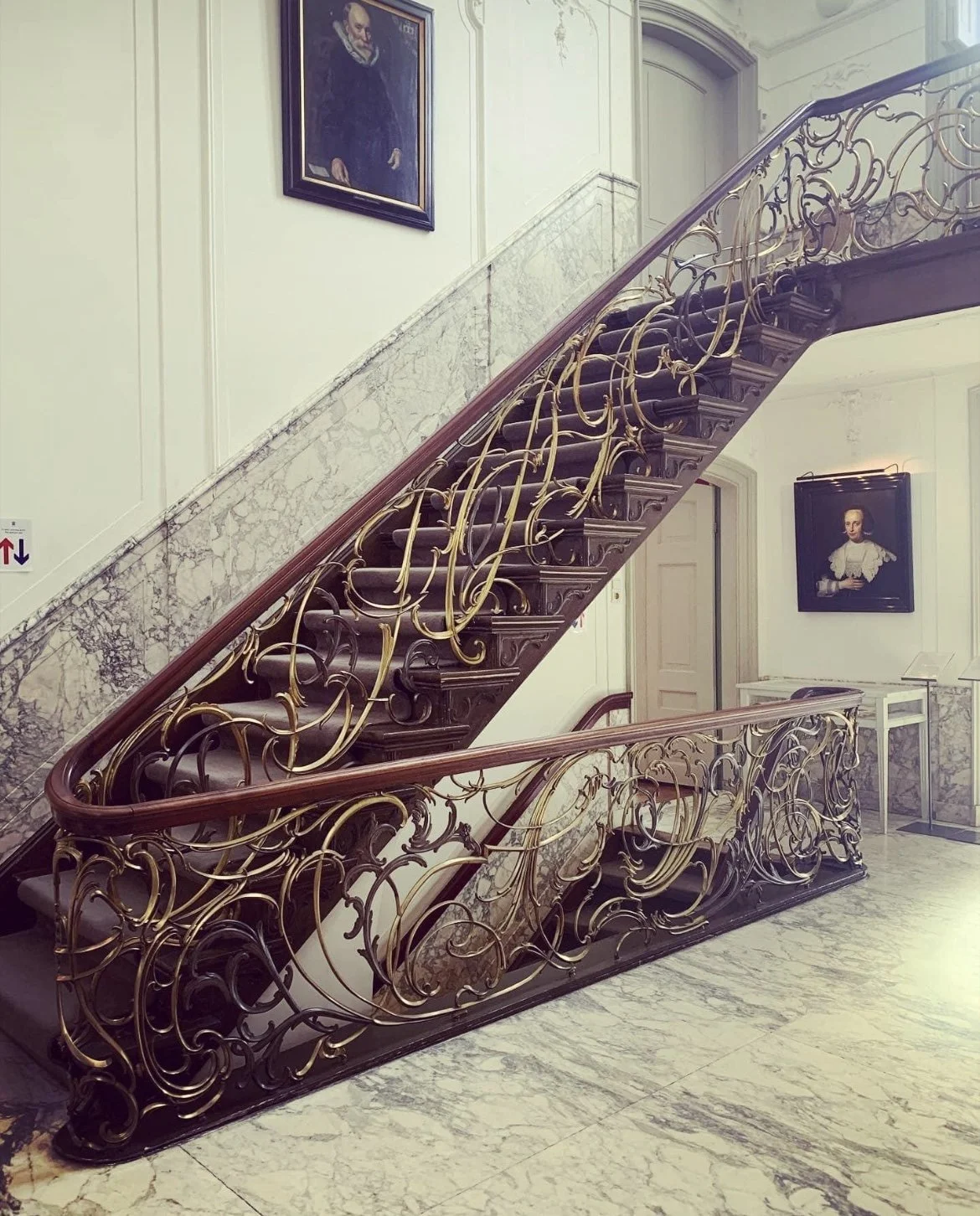
supremati’s travel guide - museum van loon - amsterdam
Supremati's travel guide explores Museum Van Loon in Amsterdam — a beautifully preserved 17th-century canal house offering a fascinating window into Dutch Golden Age art, design, and aristocratic interiors.

Artist Spotlight: Joseph Walsh — Fluid Furniture Design for Collectors
Joseph Walsh is an Irish furniture maker and designer whose fluid, liquid-like wooden forms bridge traditional craftsmanship with striking contemporary sensibility. His work has been displayed at the Metropolitan Museum of Art in New York and the National Gallery of Ireland.

supremati’s travel guide
We’re starting our travel guide with the Newt in Somerset hotel, which really opens its vacationers to a slice of their magical country side. Former editor of Elle Decoration South Africa, Karen Roos, designed the hotel’s interiors, which are simple and modern yet also warm and inviting.

Artist Spotlight: Aaron Morse — Surrealist Painting for Luxury Homes
If you are looking for artwork that is rich with eclectic meaning, can be simultaneously escapist and reflective, and is visually striking, American artist, Aaron Morse’s work, would be a fantastic addition to your personal art collection.
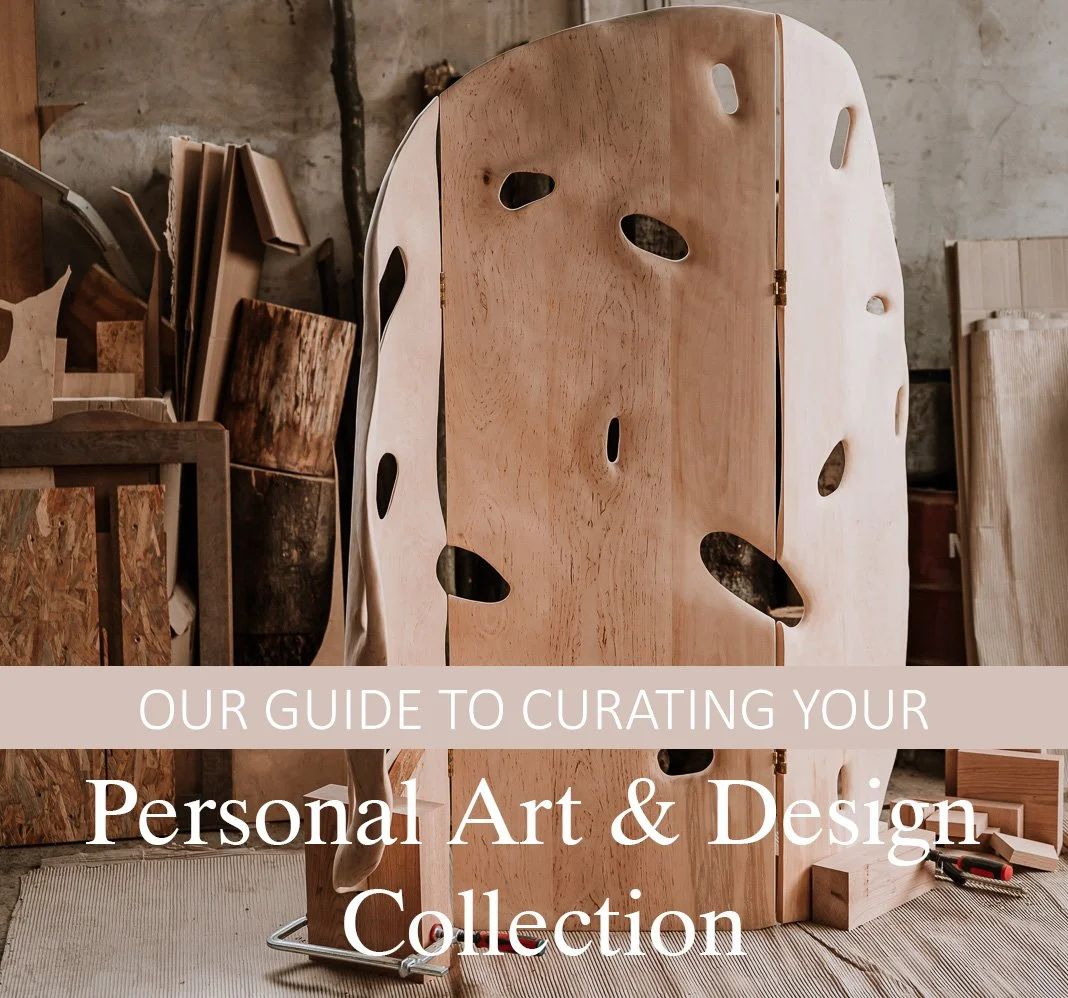
Artist Spotlight: Anna Bera — Sculptural Wood Art for Interiors
Anna Bera is one of our favourite Polish artists. She mainly takes inspiration from observing the relationship that exists between humans and nature, which results in her organic and functional art. Using wood as her main medium, her unique, sculptural objects are versatile and are left up for interpretation to encourage users to create their own meanings and relationship with each object.
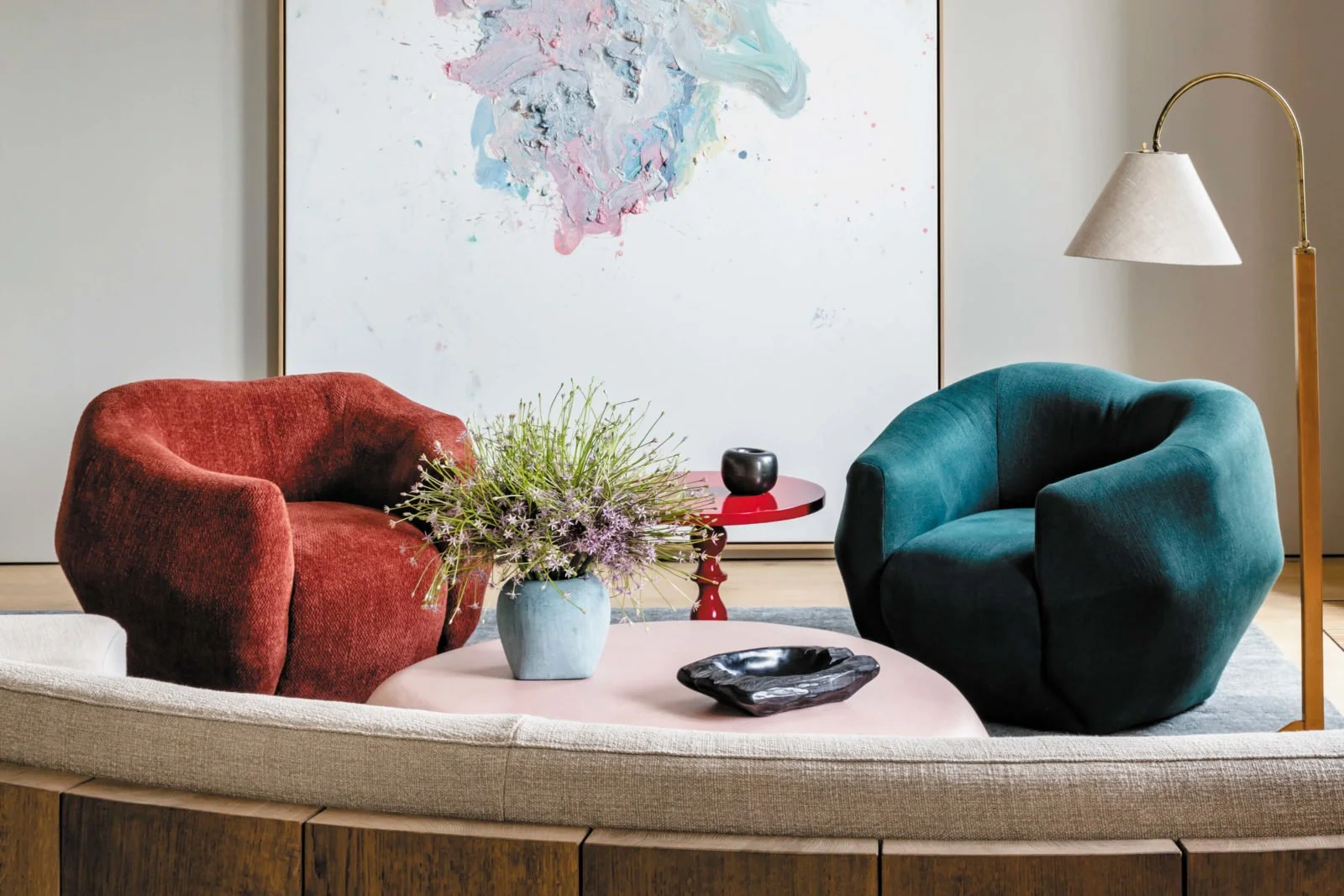
2023 Interior Design Trends
Supremati explores the interior design trends defining 2023 — from bold palettes and layered textures to a renewed appreciation for craftsmanship, natural materials, and timeless elegance.

Curating Your Personal Art Collection: A Guide by Supremati
Supremati introduces its guide to curating a personal art collection — exploring how to choose works that resonate personally, complement your interior, and build lasting value over time.

Pinatex: The Fabric of the Future
Supremati explores Pinatex, the innovative plant-based fabric made from pineapple leaf fibres — a sustainable leather alternative redefining the future of ethical materials in fashion and interiors.