

JOURNAL
Explore the archives and read the latest articles on interior design, our work in progress, behind the scenes and the latest design trends in the industry.

Supremati Interior Design: Effortlesselegance, where style meets comfort
We are truly honored by the article on Supremati featured in The Guardian's The Good Life Magazine. Please take a moment to read the full piece below.
Under the visionary leadership of Magdalena Gruszczynska, founder and creative director, Supremati crafts interiors that are as refined as they are deeply personal.
With more than 20 years of expertise spanning residential, commercial and yacht design, Magdalena has cultivated a reputation for sophisticated, bespoke interiors that embody
elegance and individuality.
A legacy of excellence
Magdalena’s journey has been shaped by collaborations with London’s most esteemed design studios, including The Studio at Harrods, March & White, Lawson Robb, Wimberly
Interiors and Sinot Yacht Design. Her formal training at the Chelsea College of Arts provided a foundation for the meticulous craftsmanship and visionary approach that define her
work today.
The collector’s eye: a truly distinctive approach
At the core of Supremati’s philosophy is a deeply curated approach to design. Magdalena believes that interiors should not only reflect a client’s lifestyle, but also serve as an extension of their personal collections, travels and heritage. Many of her clients own grade - I and grade II-listed homes in Mayfair, Belgravia and Regent’s Park, where historical integrity must be delicately balanced with modern refinement. Her expertise ensures that each space remains true to its architectural heritage while evolving into a sophisticated,
liveable work of art.
Beyond London, she’s designed contemporary villas in the Middle East and India, where diverse cultural influences are seamlessly integrated into grand, modern settings. With a
keen appreciation for fine art and rare antiques, she curates interiors that are both timeless and deeply personal. Her most recent project — a listed Belgravia townhouse — was designed to provide a striking yet harmonious backdrop for a private art and antique collection.
‘‘Supremati believes that true luxury is curated, not imposed”
Mastery of craft: where art meets precision
Magdalena’s expertise extends beyond aesthetics — she’s a master of technical execution and project orchestration. She collaborates with the world’s finest artisans and craftsmen, ensuring that every project is a testament to impeccable craftsmanship and meticulous attention to detail.
Her approach is holistic, often serving as a client representative, streamlining complex decisions and overseeing every element to ensure a flawless execution. “Luxury isn’t just about beauty,” she explains. “It’s about creating spaces that are functional, harmonious and enduring — where every detail is thoughtfully considered.”
A Vision of timeless elegance
Supremati believes that true luxury is curated, not imposed. By blending timeless design, exquisite materials and an unerring eye for detail, the team create interiors that are both visually striking and deeply personal. Supremati Interior Design continues to redefine the landscape of luxury interiors, crafting extraordinary spaces that stand the test of time.

The Art of Adornment: The Parallel Evolution of Fashion and Interior Design
Fashion and interior design have evolved in parallel throughout history — both reflecting societal values, cultural shifts, and the enduring human desire to express identity through adornment and space.Fashion’s history is one of the key notations to observe when considering the pivotal events and shifts that define one generation from the next. It is one of the few elements that evolve dramatically alongside changes in leadership and developments in social and political landscapes. Over the years, dress codes have been suggested and enforced in certain locations for a multitude of reasons, whether cultural, social, or political. In the Western world during the 1800s–1900s, lavish dresses, and immaculate suits were imperative and appropriate attire to be worn when attending Soirées, emulating the luxury and splendour of the room’s adornments. Entire spaces were designed to transform, each dedicated to creating a specific atmosphere or theme that ensured guests felt both comfortable and unified, enhancing the overall ambiance. Decadent styles were social symbols of wealth, status, and prosperity, amplifying the desire to showcase one's good fortune which helped maintain the familiar social class hierarchy. Whilst this is still undoubtedly present in modern cultures, it carried a particular nuance at the time that not only signified the presence of wealth but also power and authority.
Fashion's eccentric influence extended beyond clothing, permeating every aspect of a lifestyle on display. From finely embroidered cotton curtains to the silk pillow casings reclining on a vast bed; taste, and sophistication were at the forefront of upper-class living. Nevertheless, as time went on, fashion became symbolic of the generation you were born into, aligning with musical voices that defined eras, and ultimately shaped the time period into a distinct and discernible image. Alongside this, progressive changes in interior design evolved in parallel with fashion, with the concern for the appearance of one's home no longer exclusive to the rich and famous. Long-standing trends such as DIY and Thrifting remerged, harking back to as early as the 17th century, naturally altering fashion and interior design’s intended trajectory. Vintage clothing and antiquated furniture became part of an individual’s identity, reflecting a renewed appreciation for carefully crafted items, a value that had diminished with the rise of fast fashion and purely functional objects.
A conclusion would reveal that both fashion and interior design have long served as reflections of societal values, political shifts, and cultural evolution. While fashion expresses personal identity and status, interior design transforms entire spaces to mirror these same ideologies, from the opulence of past eras to today’s more accessible trends such as vintage revival. The evolution of both realms showcases an ongoing dialogue between individual tastes and broader social movements. Whether through meticulously curated garments or intricately designed living spaces, fashion and interiors together declare a deeper connection to power, authority, and artistry, shaping the way each generation leaves its mark on history.

Supremati's Favorite Exhibitors from Decorex 2024
Supremati highlights standout exhibitors from Decorex 2024, featuring makers and artists working across bespoke furniture, hand-woven textiles, felting, and artisanal terrazzo.
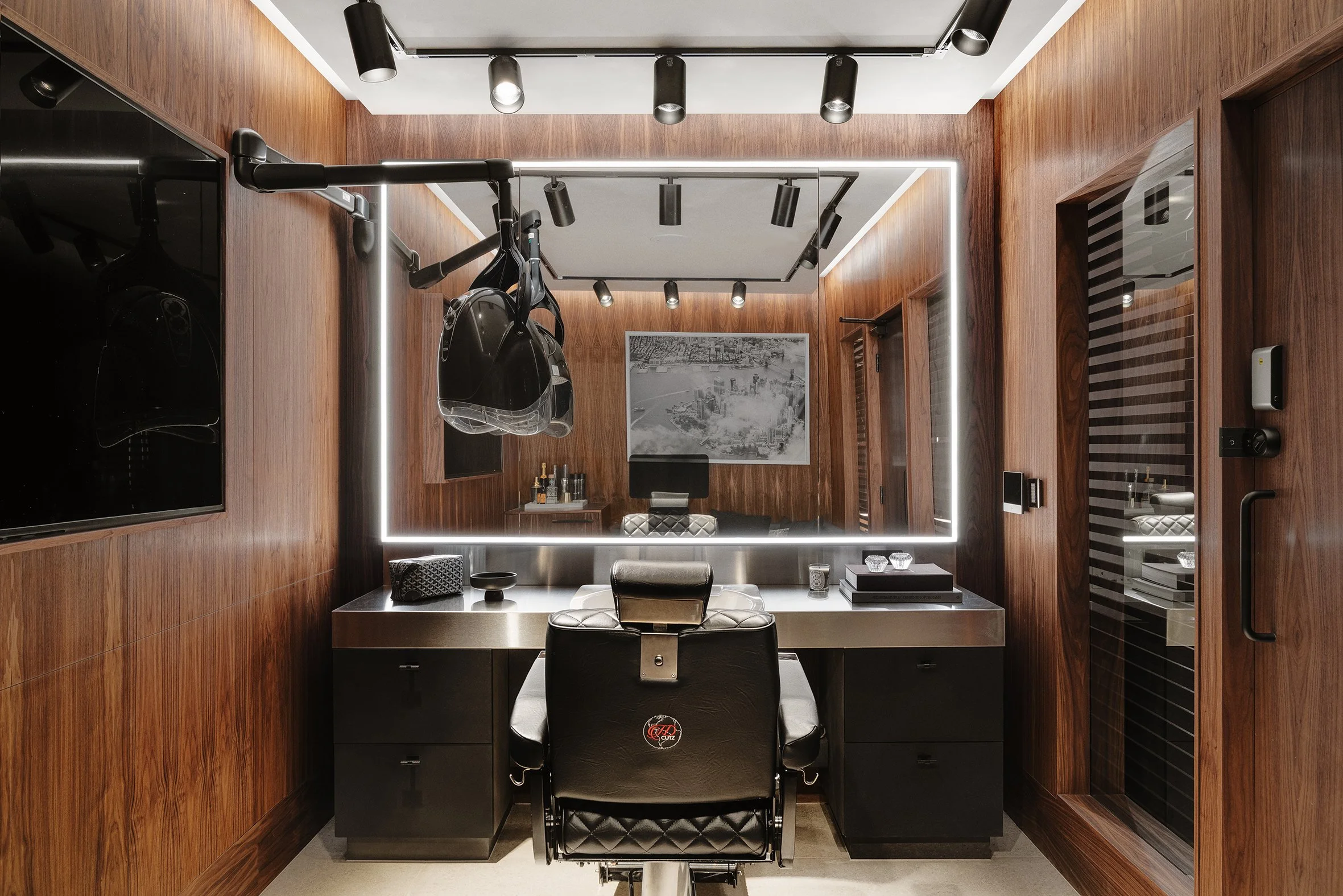
Precision Meets Luxury: Reimagining the Interior Design of HD Cutz London
Supremati reimagines HD Cutz London—celebrity barber Sheldon Edwards’ iconic flagship salon—into a bold, luxurious, and futuristic space. With precision lighting, tailored spatial planning, and refined materials, this barbershop interior design project sets a new standard for modern grooming destinations.
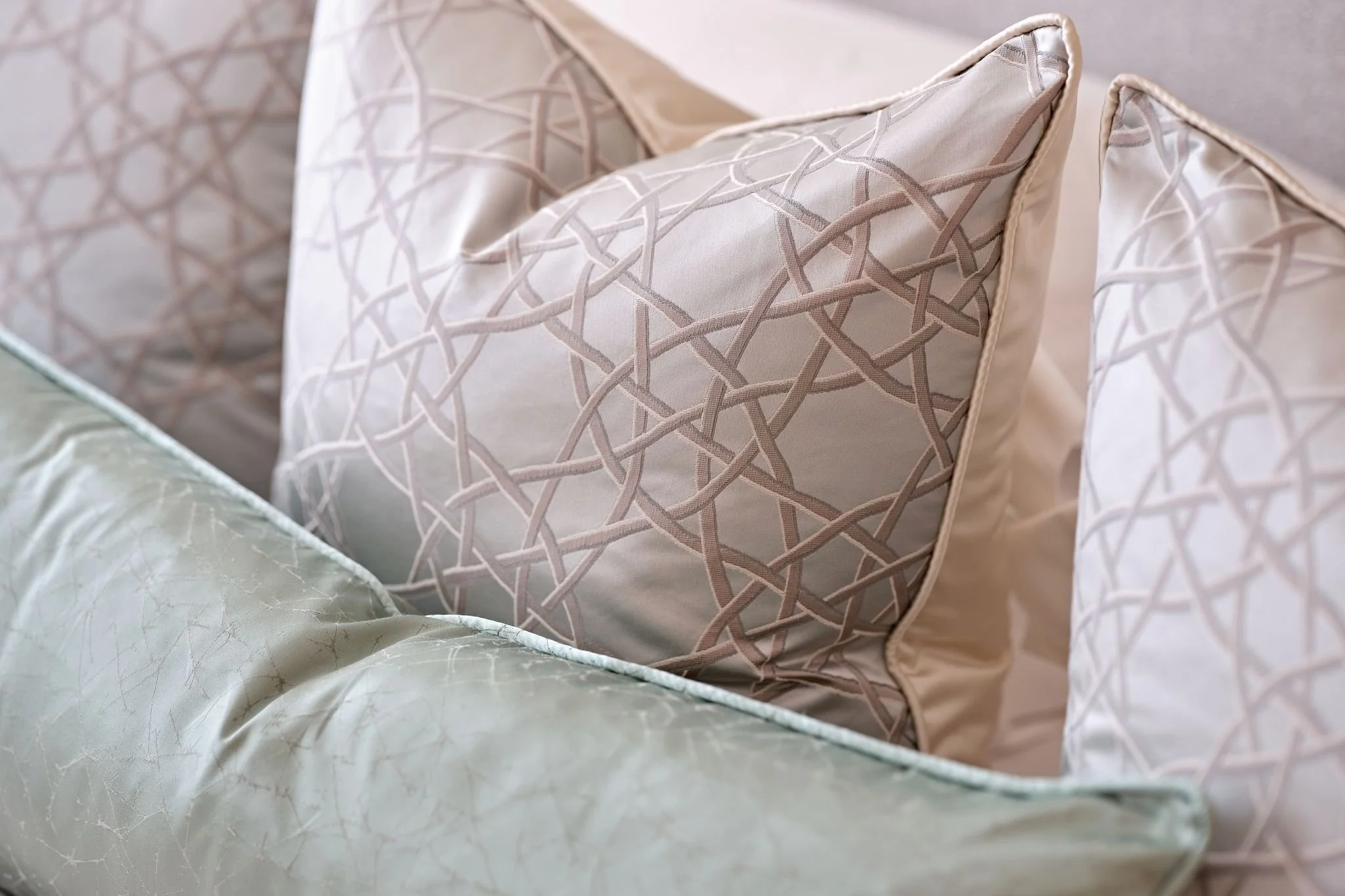
Fashion Forward Interiors: The Growing Influence of Style in Home Decor
Explore how fashion's love of texture, pattern, and material has long shaped interior design — and how personal style can be the key to defining a truly individual home aesthetic.

Aesthetic Alignment: Harmonising Fashion and Interior Design
Explore the aesthetic alignment between fashion and interior design — how visionaries like Iris Van Herpen, Thom Browne, and Robert Wun illuminate the shared language of form, material, and meaning across creative disciplines.